

Welcome to the
In the following interactive map, you will be able to go through the different associated countries to discover interesting companies willing to host volunteers. In each country section, you will be able to learn more about each company, access their website and social media, and if you are interested, we encourage you to contact the company and start your European journey working in trusted companies abroad.

Descripton with a certain extension to know what the company is about

Read below our contry market analysis
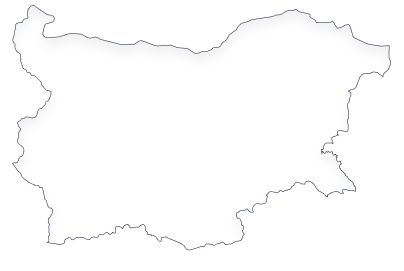
Bulgaria has experienced sustained economic growth in recent years, with Gross Domestic Product (GDP) projected to grow by 2.5% in 2024, driven by tourism recovery, digitalisation and infrastructure investment, especially in the energy sector (Bulgarian National Bank, 2024). Structural reforms and EU integration have facilitated the attraction of foreign direct investment, which has been key to modernising sectors such as manufacturing and information technology. However, the country faces challenges related to low labour productivity, youth emigration and the need to strengthen its industrial fabric.
The Bulgarian labour market has shown improvements, with the overall unemployment rate hovering around 5% in 2023. However, youth unemployment remains a significant challenge at around 17%, reflecting difficulties in integrating young people into the labour market, especially in rural regions (Eurostat, 2023). These figures indicate that, although progress has been made, barriers to access to quality jobs and stable opportunities for young people persist.
Bulgaria faces a serious demographic problem, marked by a low birth rate and significant emigration of young people to other EU countries in search of better opportunities. This has led to a decline in the labour force and has affected the country’s ability to retain talent, especially in rural areas (Bulgarian National Bank, 2024). The depopulation of some regions has created challenges for local economic development and the provision of basic services, underlining the importance of policies that attract young people back and improve living conditions in these areas.
The Bulgarian business fabric is mainly composed of small and medium-sized enterprises (SMEs), which account for 99.8% of enterprises and generate approximately 75% of employment (European Commission, 2023). These SMEs are particularly relevant in sectors such as manufacturing, tourism and agriculture, although the technology sector has gained significant weight in the last decade. Sofia, the capital, has become a centre of innovation and technology, attracting start-ups and international companies looking to tap into local talent in software development and technology services.
NGOs in Bulgaria play an essential role in training and mentoring young people, especially those from rural and vulnerable communities. Through vocational training and mentoring programmes, these organisations try to improve the employability of young people and facilitate their access to quality jobs. Initiatives such as Youth Guarantee and EU programmes have sought to provide training and employment opportunities, although their implementation has been uneven and has faced administrative challenges (Ministry of Labour and Social Policies of Bulgaria, 2023).
Bulgaria’s business sector is diverse, with a strong emphasis on manufacturing, information technology and tourism. Manufacturing has been a key driver of the economy, especially in the production of electronic components and in agro-industry, with regions such as Plovdiv and Varna standing out for their industrial activity (OECD, 2023). Foreign investment has helped modernise these industries, although lack of adequate infrastructure and low labour productivity remain major challenges for the sector.
The technology sector has grown significantly, with Sofia emerging as a hub for innovation and start-ups in Eastern Europe. The city has attracted investment in areas such as artificial intelligence, software development and IT outsourcing (European Commission, 2023). This growth has generated significant demand for digital skills, which represents a significant opportunity for young people interested in technology. However, the skills gap remains an issue, as many companies face difficulties in finding candidates with advanced skills, especially outside the capital.
Tourism, especially summer tourism on the Black Sea coast and mountain tourism in regions such as the Balkans and Rhodope, has been a key pillar of the Bulgarian economy, contributing significantly to GDP and employment (OECD, 2023). The recovery of tourism after the pandemic has been key to employment generation, although seasonality remains a major problem, as many of the jobs generated are temporary and of low stability.
The Bulgarian labour market is characterised by a significant segmentation between employment in urban and rural areas. Sofia and other large cities concentrate most job opportunities in high-skilled sectors, such as technology and financial services. However, many rural regions face higher unemployment rates and lower availability of skilled jobs (Bulgarian Ministry of Labour and Social Policies, 2023). This has led to internal migration of young people to urban areas, exacerbating the depopulation of some rural areas and affecting the sustainability of their local economies.
The Bulgarian education system has made efforts to adapt to the demands of the labour market, with an increasing focus on technical and digital training. However, significant gaps in the quality of vocational training persist, especially in rural regions, limiting young people’s ability to integrate into emerging sectors such as technology and energy (European Commission, 2023). In addition, the high temporariness of contracts and the prevalence of unpaid internships disproportionately affect young people, making it difficult for them to access stable jobs.
Bulgaria presents several opportunities to improve the integration of young people into the labour market, especially in growing sectors such as information technology, advanced manufacturing and sustainable tourism. The technology sector has experienced accelerated growth in the capital Sofia, which has become a hub for innovation and start-ups in Eastern Europe. Investments in artificial intelligence, software development and outsourcing of IT services have generated a high demand for digital skills (European Commission, 2023). This has created a favourable environment for young people interested in technology careers. However, the skills gap remains a challenge, as many companies struggle to find candidates with the necessary advanced skills, underlining the need to improve educational provision in these areas, especially outside the capital.
The manufacturing sector, especially the production of electronic components and agribusiness, continues to be an engine of growth for the Bulgarian economy. Foreign investments in modernisation of production plants have created employment opportunities in regions such as Plovdiv and Varna (OECD, 2023). This sector offers jobs for young people with technical training and skills in industrial automation, making it a key area for youth labour market integration. However, relatively low productivity and the need to improve transport and logistics infrastructure limit the sector’s growth, requiring additional investments in modernisation and specialised training.
Tourism remains a key part of the Bulgarian economy, especially on the Black Sea coast and in mountainous regions such as the Balkans and Rhodope. The recovery of tourism after the pandemic has been a key factor for employment generation, especially in sectors such as hotels, catering and adventure tourism (OECD, 2023). Despite this, the high seasonality of tourism limits the creation of stable, long-term jobs for young people, affecting the economic stability of many local communities. Diversification towards more sustainable tourism that is less dependent on the high season could improve the quality of jobs and reduce seasonality.
Despite these opportunities, Bulgaria faces significant challenges affecting the integration of young people into the labour market. The high temporariness of contracts and the prevalence of unpaid internships disproportionately affect young people, who often have to accept temporary jobs before they can access stable positions. This phenomenon is particularly problematic in sectors such as hospitality and commerce, where staff turnover is high (Bulgarian Ministry of Labour and Social Policies, 2023).
Regional disparities are another significant challenge for the Bulgarian labour market. While Sofia and some other large cities concentrate most employment opportunities in high-skilled sectors, many rural regions face lower availability of skilled jobs and significantly higher unemployment rates (Bulgarian National Bank, 2024). This has led to internal migration of young people to cities, which has aggravated the depopulation of some rural areas and affected the sustainability of local economies.



Read below our contry market analysis
Cyprus is an island in the Mediterranean that has experienced solid economic growth in recent years. Its Gross Domestic Product (GDP) is expected to grow by 3.0% in 2024, driven by the recovery of the tourism sector, infrastructure investment and economic diversification (Central Bank of Cyprus, 2024). Despite its small size, Cyprus has managed to establish itself as a financial and commercial centre in the region, although it also faces challenges, such as high youth unemployment and dependence on tourism.
The unemployment rate in Cyprus has remained at around 6.5% in 2023, but youth unemployment is a significant problem, reaching approximately 16% (Eurostat, 2023). This situation reflects the disconnect between the education system and the needs of the labour market, as well as limitations in the supply of quality jobs for young people.
Cyprus has a relatively young population, which represents an opportunity for economic development. However, the emigration of young people in search of better job opportunities abroad has generated a brain drain, affecting the country’s ability to make use of its human capital. This trend has been exacerbated by the economic crisis of 2013, which led many young people to seek employment in other EU countries (Central Bank of Cyprus, 2024).
The Cypriot business fabric is mainly composed of small and medium-sized enterprises (SMEs), which account for more than 99% of businesses and are responsible for around 70% of employment (European Commission, 2023). SMEs are essential to the country’s economy, especially in sectors such as tourism, construction and services. However, these enterprises often face challenges related to access to finance, bureaucracy and market competition.
NGOs in Cyprus play an important role in promoting social inclusion and empowerment of young people. Through vocational training programmes, skills development and support for job creation, these organisations work to improve employment opportunities for young people and facilitate their integration into the labour market. Initiatives such as the Youth Employment Initiative aim to provide training and employment for unemployed youth, although their impact may be limited due to lack of resources (Cyprus Ministry of Labour, Welfare and Social Protection, 2023).
Cyprus’ business sector is characterised by its heavy dependence on tourism, which accounts for a significant share of GDP and employment. The island attracts tourists for its climate, beaches and cultural heritage, which has led to a growth in investment in tourism infrastructure and related services. However, the high seasonality of tourism can result in a precarious labour supply, with many temporary jobs and low wages, affecting the economic stability of young people (European Commission, 2023).
The construction sector has been a key pillar of the Cypriot economy, especially after the economic crisis of 2013. The recovery of the real estate market and investment in infrastructure have created employment opportunities in this sector. However, reliance on construction can make the economy vulnerable to market fluctuations, highlighting the need for diversification and economic resilience.
The services sector, which includes education, health and financial services, is also crucial to Cyprus’ economy. Investment in infrastructure and human resource training is key to improving the quality of services and facilitating economic growth. However, lack of investment in certain sectors has limited employment and development opportunities.
The Cypriot labour market is characterised by a high rate of youth unemployment, reflecting the disconnect between educational attainment and market needs. Many young people fail to acquire the skills needed to compete in a constantly changing labour environment, limiting their employment opportunities (Cyprus Ministry of Labour, Welfare and Social Protection, 2023). The high temporariness of contracts and the prevalence of precarious jobs disproportionately affect young people, who often have to accept temporary or low-level jobs.
The digitisation of the Cypriot economy has generated a growing demand for digital skills, leading to an increase in the supply of training programmes in areas such as programming and digital marketing. However, the skills gap remains an issue, as many firms struggle to find candidates with advanced skills (OECD, 2023). This highlights the need to improve educational provision in these areas and ensure that all young people, especially those from disadvantaged backgrounds, have access to training.
Regional disparities also affect the labour market in Cyprus. While Nicosia and other large cities offer more employment opportunities, rural areas face lower availability of skilled jobs and higher unemployment rates. This has led to internal migration to urban areas, exacerbating depopulation in certain parts of the island and affecting the sustainability of local communities (Central Bank of Cyprus, 2024).
Cyprus presents several opportunities to improve the integration of young people into the labour market, particularly through the development of digital skills, economic diversification and the promotion of sustainable tourism. The technology sector is growing, driven by demand for digital solutions and a favourable environment for start-ups. This growth presents a significant opportunity for young people to acquire relevant skills in areas such as software development, cybersecurity and data analytics. The creation of training programmes in partnership with technology companies can facilitate young people’s access to these emerging jobs (European Commission, 2023).
Tourism, a vital sector for the Cypriot economy, also offers opportunities for the creation of stable jobs for young people. As the country recovers from the effects of the pandemic, tourism demand is expected to increase. The promotion of sustainable and responsible tourism can attract an aware and engaged public, generating jobs in related sectors such as hospitality, ecotourism and cultural management (International Energy Agency, 2023). In addition, investment in tourism infrastructure and improving the quality of services are key to maximising opportunities in this sector.
Diversification of the economy into alternative sectors, such as sustainable agriculture and technology, is crucial to mitigate dependence on tourism. Local and sustainable food production can contribute to food security and generate new job opportunities for young people. Initiatives that promote organic farming and investment in agricultural technology can be particularly beneficial for the development of the sector (Cyprus Ministry of Labour, Welfare and Social Protection, 2023).
Despite these opportunities, Cyprus faces several challenges in integrating young people into the labour market. The disconnect between the education system and the needs of the market is a persistent problem, with many young people failing to acquire the skills needed to compete in a constantly evolving labour market environment. This underlines the need to adapt education and training programmes to the demands of the labour market (OECD, 2023).
The high seasonality of many jobs in the tourism sector and the informality of employment disproportionately affect young people, who often have to accept low-level and temporary jobs, limiting their ability to establish themselves economically. In addition, regional disparities in access to educational and employment opportunities further complicate the situation, with urban areas concentrating the majority of opportunities compared to rural regions.

Read below our contry market analysis
Denmark is one of the most stable and advanced economies in Europe, characterised by a strong focus on sustainability and digitalisation. Denmark’s Gross Domestic Product (GDP) is expected to grow by 1.5% in 2024, driven by investment in technology, the pharmaceutical industry and the transition to a green economy (Danmarks Nationalbank, 2024). Denmark has managed to maintain one of the lowest unemployment rates in Europe, standing at 4.4% in 2023, although youth unemployment remains at around 9%, highlighting some challenges in integrating young people into the labour market (Eurostat, 2023).
The Danish welfare system, based on the Scandinavian model, offers a strong social safety net that facilitates the transition of young people from education to employment. Despite this, some groups of young people, especially those with lower levels of education or from migrant backgrounds, face difficulties in accessing stable employment opportunities, which is reflected in labour market segmentation.
Denmark, with a stable population and high life expectancy, is facing an ageing process that has put increasing pressure on its welfare system. This phenomenon has increased the demand for professionals in sectors such as health and care, opening up job opportunities for young people in areas related to elderly care (Danmarks Nationalbank, 2024). However, the low birth rate and the need to rejuvenate the workforce have led Denmark to implement policies to attract skilled migrants and encourage lifelong learning.
The Danish business fabric is made up of a combination of large multinationals and a robust network of small and medium-sized enterprises (SMEs), which account for 99% of businesses and generate 65% of employment (European Commission, 2023). Denmark has excelled in sectors such as biotechnology, renewable energy and information technology, which has enabled the country to position itself as a leader in green innovation. Large companies, such as Novo Nordisk and Vestas, play a key role in exporting and generating high-skilled employment.
NGOs in Denmark play an important role in promoting the social inclusion and training of young people, especially those in vulnerable situations. Through partnerships with the government and the private sector, these organisations develop mentoring, job orientation and practical training programmes that facilitate the transition of young people into the labour market. Initiatives such as the Youth Employment Initiative aim to improve the integration of young people into the labour market by focusing on the acquisition of practical skills and improving employability (Danish Ministry of Employment, 2023).
Denmark’s business sector is characterised by high competitiveness and a commitment to sustainability. Large multinationals, especially in pharmaceuticals and green technology, have been key to the country’s economy, generating high-skilled jobs and leading innovation in their respective fields (OECD, 2023). The pharmaceutical sector, with companies such as Novo Nordisk, has established itself as one of the pillars of the Danish economy, offering employment opportunities for young people with a background in biotechnology and life sciences.
The renewable energy sector is another important growth driver in Denmark. The country has been a pioneer in the expansion of wind energy, both onshore and offshore, with Vestas leading innovation in this area. The energy transition has generated employment opportunities in the installation, operation and maintenance of wind farms, as well as in the development of new energy storage and efficiency technologies (International Energy Agency, 2023). These opportunities are particularly relevant in coastal regions, where offshore wind energy projects are concentrated.
The Danish tech sector has also experienced remarkable growth, with Copenhagen positioning itself as a centre for digital innovation. Tech start-ups have grown in areas such as artificial intelligence, automation and health technology, creating opportunities for young people in software development and advanced technological solutions (European Commission, 2023). However, the rapid evolution of these technologies has led to a growing demand for advanced digital skills, highlighting the need to strengthen training in these areas.
The Danish labour market is known for its flexibility, facilitated by a flexicurity model that combines labour market flexibility with a strong social safety net. This allows companies to quickly adapt their workforce to economic fluctuations, while workers, including young people, are supported during transitional periods between jobs (Danish Ministry of Employment, 2023). This model has contributed to maintaining low levels of unemployment, although some young people face difficulties in finding permanent jobs in high-demand sectors.
The digitisation of the labour market has generated a growing demand for technological skills, leading to an increase in the supply of training programmes in areas such as cybersecurity, programming and artificial intelligence. However, the skills gap remains a challenge, as many firms struggle to find candidates with the necessary skills to fill these positions (OECD, 2023). Moreover, although Denmark has made efforts to integrate young migrants into the labour market, significant disparities in employment rates persist between young people of Danish and migrant origin.
In regional terms, Denmark has differences in the availability of job opportunities between Copenhagen and other smaller cities or rural areas. While the capital concentrates the majority of high-skilled jobs, rural areas offer opportunities in sectors such as sustainable agriculture and renewable energy, but often face difficulties in attracting and retaining young people due to a lack of adequate services and infrastructure (Danmarks Nationalbank, 2024).
Denmark offers a favourable environment for the integration of young people into the labour market, especially in growth sectors such as technology, pharmaceuticals and renewable energy. The country’s commitment to sustainability has enabled the transition to a green economy to become an engine of economic growth, generating jobs both in the installation of energy infrastructure and in the research and development of new technologies. The expansion of wind energy, led by companies such as Vestas, has created job opportunities in coastal and rural regions, helping to diversify the economies of these areas (International Energy Agency, 2023). These opportunities are particularly relevant for young people interested in developing sustainable solutions and maintaining energy facilities.
Denmark’s technology sector, mainly concentrated in Copenhagen, has grown rapidly, creating a dynamic environment for start-ups and software companies. This growth has boosted demand for advanced digital skills, providing employment opportunities for young people specialising in areas such as artificial intelligence, cybersecurity and app development (European Commission, 2023). Policies to support entrepreneurship and technological innovation have facilitated the creation of new companies, providing young people with an environment conducive to developing their own projects and entering the labour market.
The pharmaceutical sector, with leading companies such as Novo Nordisk, remains an important pillar of the Danish economy, offering employment opportunities in research and production of innovative medicines. The sector is in demand for young people qualified in biotechnology, chemistry and other life sciences, contributing to the formation of a highly specialised and highly skilled labour market. However, access to these jobs requires advanced training and specific skills that not all young people possess (OECD, 2023).
Despite these opportunities, Denmark faces significant challenges in integrating certain groups of young people into the labour market. Youth unemployment, although moderate, remains higher than the national average, reflecting difficulties in accessing permanent and well-paid jobs, especially among young people with lower levels of education. In addition, labour market segmentation particularly affects young people with a migrant background, who face language and cultural barriers that make it difficult for them to enter formal employment (Danish Ministry of Employment, 2023).
The accelerating digitalisation of the Danish economy has created a skills gap, with increasing demand for technological skills outstripping the supply of qualified candidates. This highlights the need to adapt vocational training and higher education to new market requirements, especially in areas such as programming and automation (OECD, 2023). Moreover, while Denmark has made efforts to promote regional development, rural areas and some smaller cities continue to face difficulties in retaining young people, who tend to migrate to Copenhagen in search of better opportunities.


Read below our contry market analysis
France, the second largest economy in the Eurozone, has shown a sustained recovery from the impact of the COVID-19 pandemic, with projected Gross Domestic Product (GDP) growth of approximately 1.8% by 2024, supported by public investment and the resilience of key sectors such as manufacturing, financial services and tourism (Bank of France, 2024). This recovery has been driven by the France Relance recovery plan, which has channelled European funds into green transition and digitalisation, thus promoting the country’s economic modernisation.
Youth unemployment remains a challenge, with a rate of around 16%, significantly higher than the overall unemployment rate of 7.5% (Eurostat, 2023). This gap reflects the difficulties for young people to access stable and quality jobs, especially those in situations of socio-economic vulnerability or lacking advanced professional qualifications.
France faces a significant demographic challenge due to its ageing population, which has increased pressure on the pension system and led to a growing demand for care services for the elderly. However, the youth population remains sizeable compared to other European countries, providing potential for the labour market if employment policies can be aligned with the needs of this cohort (Banque de France, 2023).
The French business fabric is characterised by a mix of large multinational corporations and a strong network of small and medium-sized enterprises (SMEs), which account for approximately 99% of all firms and generate more than 60% of employment (European Commission, 2023). SMEs play a major role in sectors such as manufacturing, retail and agriculture, while large companies dominate industries such as aerospace, automotive and IT. Innovation and research are also important pillars of the French economy, supported by a network of leading higher education institutions and research centres.
French NGOs play a crucial role in the social integration and training of young people, especially those from disadvantaged backgrounds. Through partnerships with government and the private sector, these organisations develop training and mentoring programmes, facilitating the acquisition of practical skills and the transition to employment. Initiatives such as the National Civic Service allow young people to gain experience in social and community projects, enhancing their employability (Ministère de l’Éducation Nationale et de la Jeunesse, 2023).
The business sector in France has shown a great capacity to adapt to global economic changes, with a focus on innovation and digital transition. Large French multinationals, such as Airbus, TotalEnergies and Renault, have played an important role in attracting investment and generating employment, not only in France but also in their global networks. These sectors, especially aerospace and energy, have benefited from policies supporting research and the development of clean technologies, which have favoured the creation of new jobs (OECD, 2023).
The technology sector has grown significantly, with the city of Paris positioning itself as an important start-up hub in Europe. The La French Tech initiative has promoted the development of start-ups in areas such as artificial intelligence, cybersecurity and financial technologies (fintech), creating employment opportunities for skilled young people (European Commission, 2023). However, the digital skills gap remains a challenge, as many companies struggle to find the right talent to fill vacancies in these emerging sectors.
The renewable energy sector has been another driver of growth, with investments in wind and solar power enabling France to move towards its sustainability goals. This sector has generated jobs in the installation and maintenance of energy infrastructure in both urban and rural areas. However, the pace of the energy transition has been slower than expected, limiting the full impact on job creation in some regions of the country (Bank of France, 2023).
The French labour market is characterised by segmentation, with a strong duality between permanent and temporary contracts. This segmentation particularly affects young people, who often face temporary jobs, internships or short-term contracts before being able to access a stable position. Although labour market reforms have sought to make the labour market more flexible, the results have been mixed, with job creation improving, but precariousness persisting among the youngest (French Ministry of Labour, 2023).
The education and vocational training system has been a priority for the French government, with the aim of reducing the gap between the skills of young people and the needs of the market. Dual training programmes and technological universities have played a key role in preparing young people for high-demand sectors such as technology and energy. However, there is still a disconnect between the training received and employers’ expectations, especially in rural areas and in traditional industrial sectors.
Youth unemployment in France is also influenced by regional disparities, with higher unemployment rates in regions such as Hauts-de-France and Provence-Alpes-Côte d’Azur, which have been affected by deindustrialisation. In contrast, the Ile-de-France region, which includes Paris, concentrates most job opportunities, which has led to internal migration that exacerbates territorial differences. The government has attempted to address these disparities through regional development policies and incentives for business relocation, but the impact has so far been limited (OECD, 2023).
France presents a number of opportunities to improve the integration of young people into the labour market, especially in sectors that are undergoing expansion and transformation. Digitalisation and technological innovation have been areas of significant growth, particularly in Paris and other major cities such as Lyon and Toulouse. The start-up ecosystem, driven by the La French Tech initiative, has created a favourable environment for entrepreneurship and the hiring of young people with skills in software development, artificial intelligence and fintech (European Commission, 2023). However, to take full advantage of these opportunities, it is crucial to close the digital skills gap through training that is better aligned to market needs.
The renewable energy sector also offers significant growth prospects. France is committed to European emission reduction targets and has invested in clean energy such as wind and solar. This has generated a demand for young skilled workers for the installation and maintenance of these infrastructures, which is particularly relevant in rural regions seeking to diversify their economy (Bank of France, 2023). However, the energy transition faces regulatory and planning challenges that have slowed down the deployment of projects and thus job creation in some territories.
Sustainable tourism and the green economy in general also represent an opportunity for youth job creation, especially in regions with a high tourist attractiveness such as the French Riviera and the Alps. France has promoted the development of more environmentally friendly tourism, which could translate into jobs in areas such as environmental management, rural tourism promotion and ecotourism (OECD, 2023). However, the seasonality of tourism remains an obstacle to the creation of permanent and well-paid jobs, limiting the options for young people in this sector.
Despite these opportunities, the French labour market faces structural challenges that hinder the full integration of young people. The segmentation of the labour market, characterised by a high proportion of temporary contracts and internships, affects the stability of youth employment. Many young people spend long periods in low-paid internships before accessing a stable position, which reduces their ability to plan for the long term and achieve economic independence (French Ministry of Labour, 2023).
Regional disparity is another major challenge. While Ile-de-France offers numerous job opportunities, other regions that were once industrial centres, such as Hauts-de-France, face significantly higher unemployment rates. This has led to internal migration that accentuates territorial differences, leaving some areas without enough young people to revitalise their local economies (Banque de France, 2023). The lack of sufficient incentives for businesses to settle in these areas has limited the impact of regional development policies.



Read below our contry market analysis
Germany, Europe’s largest economy, has shown a strong recovery from the economic impacts of the COVID-19 pandemic, although it faces challenges from the energy crisis and the global slowdown. Gross Domestic Product (GDP) growth is projected at 1.3% by 2024, driven by the automotive industry, digitalisation and investment in renewable energy (Bundesbank, 2024). Energy transition policies, known as the Energiewende, have been an important driver for attracting investment and fostering the development of new clean technologies.
The unemployment rate in Germany remains low compared to other European countries, standing at 3.8% in 2023. However, youth unemployment, although moderate compared to the European average, reaches 6.6% (Eurostat, 2023). This figure reflects the capacity of the German market to absorb young people through a robust dual training system, although gaps remain in the inclusion of certain groups, such as migrants and those who do not complete secondary education.
Germany faces a major demographic challenge due to its ageing population, which has increased the need to attract and retain skilled young people to maintain the economy’s productivity and competitiveness. Low birth rates and the retirement of a large part of the labour force have put additional pressure on the labour market, especially in sectors such as manufacturing, health and technology (Bundesbank, 2024). This phenomenon has led to the implementation of policies to attract skilled migrants and lifelong learning programmes for young workers.
The German business fabric is diverse, with a strong presence of large multinationals and industrial conglomerates, as well as a strong network of small and medium-sized enterprises (SMEs), known as the Mittelstand. These SMEs, which account for 99% of the business fabric and generate approximately 60% of employment, are the engine of the German economy, especially in sectors such as mechanical engineering, automotive and technology (European Commission, 2023). Their ability to innovate and adapt to technological change has been key to maintaining the country’s competitiveness.
NGOs in Germany play an important role in social and labour integration, especially in the training and orientation of young migrants. These organisations collaborate with the government in the implementation of integration programmes, offering language courses, vocational training and job orientation. Initiatives such as the Integration durch Bildung programme aim to facilitate the integration of young people into the labour market, ensuring that they have access to quality employment opportunities (BMAS, 2023).
The German business sector is characterised by its high competitiveness and innovative capacity, led by large industrial conglomerates such as Volkswagen, Siemens and BASF. The automotive industry remains one of the pillars of the economy, although it is facing a transition to electric mobility that has led to significant restructuring. This transition has created both opportunities and challenges for youth employment, as the demand for new skills related to electromobility and digitalisation has transformed training needs (OECD, 2023).
The technology sector has gained prominence in Germany, with Berlin establishing itself as a hub for innovation and start-ups in Europe. The focus on artificial intelligence, industrial automation and cybersecurity has created an environment conducive to the creation of skilled jobs. However, many companies face difficulties in finding professionals with the necessary advanced digital skills, highlighting the importance of improving training in these areas (European Commission, 2023).
The renewable energy sector, driven by the Energiewende strategy, has been another growth driver. The expansion of wind and solar energy, as well as the development of hydrogen technologies, has generated employment opportunities in the installation, operation and maintenance of energy infrastructure. These opportunities are particularly relevant in regions seeking to diversify their economy, such as northern Germany, where offshore wind has created new jobs (International Energy Agency, 2023). However, the energy transition also faces infrastructure challenges and the need for increased investment in distribution networks.
The German labour market is characterised by low unemployment and a dual training system that facilitates the transition of young people from education to employment. This system combines academic training in educational institutions with internships in companies, allowing young people to gain practical experience and adapt to the demands of the labour market (BMAS, 2023). This model has been particularly effective in industrial and technological sectors, where the need for skilled workers is high.
Despite the strengths of the system, challenges remain in integrating certain groups of young people, especially those who do not complete secondary education and migrants. Although integration policies have improved over the last decade, there is still a gap in employment rates between young people with a migrant background and the local population. In addition, the accelerating digitisation of the economy has generated a growing demand for advanced technological skills, highlighting the need for more training in areas such as programming and automation (OECD, 2023).
Another significant challenge is the regionalisation of the labour market, with marked differences between eastern and western Germany. While regions such as Bavaria and Baden-Württemberg enjoy a dynamic labour market and very low unemployment rates, other areas such as Saxony-Anhalt and Mecklenburg-Western Pomerania still face challenges stemming from deindustrialisation and a lower presence of emerging sectors. Regional development policies have sought to address these disparities, but attracting skilled young people to these regions remains a challenge (Bundesbank, 2024).
Germany presents a significant set of opportunities to improve the integration of young people into its labour market, especially in strategic sectors such as technology, industry and renewable energy. The transition towards electric mobility and the digitalisation of the automotive industry has generated a growing demand for young professionals with skills in software development, electrical engineering and data analysis. The adaptation of the automotive industry to electromobility and autonomous driving technologies requires a new generation of skilled workers who can lead this transformation (OECD, 2023). However, the speed of this transition also poses challenges, such as the need for continuous training to upgrade the skills of the existing workforce.
The renewable energy sector, driven by the Energiewende strategy, remains a key growth driver for the German economy. The expansion of wind energy, both onshore and offshore, and the development of hydrogen technologies have created employment opportunities, especially in regions in the north of the country, where offshore wind investments are concentrated (International Energy Agency, 2023). Demand for skilled technicians and engineers has increased, opening up opportunities for young people to enter this growing sector. However, the energy transition faces barriers, such as the need to upgrade grid infrastructure and improve technical training in these areas.
The rise of technology and innovation has established Berlin and other cities as hubs for tech start-ups and companies. Artificial intelligence, cybersecurity and industrial automation are high-demand areas that offer well-paid employment opportunities for young people (European Commission, 2023). Programmes such as Digitalpakt have supported the digitisation of schools and training centres, which has helped to better prepare young people for the challenges of the modern labour market. However, the digital skills gap remains a challenge, with many companies reporting difficulties in finding qualified talent in these areas.
Despite these opportunities, Germany faces structural challenges that limit the full exploitation of its youth potential. An ageing population and the retirement of a large part of the labour force are creating a market gap, especially in sectors where experience is key, such as engineering and advanced manufacturing (Bundesbank, 2024). Low birth rates complicate the sustainability of the pension system and increase pressure to attract migrant workers, which in turn poses integration challenges.
Labour market segmentation and the lack of integration of young migrants are other relevant obstacles. Although the dual training system has been effective for most young people, those who do not complete secondary education or face language barriers have difficulties in accessing stable jobs (BMAS, 2023). Regional disparities also remain an issue, with a notable difference between the opportunities available in the industrialised regions of the south and west, compared to the east of the country, which still faces the effects of deindustrialisation.



Read below our contry market analysis
Greece has experienced a slow economic recovery after a decade of financial crisis, exacerbated by the effects of the COVID-19 pandemic. Gross Domestic Product (GDP) growth is projected at 2.3% by 2024, driven mainly by tourism, the shipping industry and the renewable energy sector (Bank of Greece, 2024). Despite this recovery, the Greek economy still faces major challenges, including a public debt of 168% of GDP, the highest in the Eurozone, which limits the country’s ability to implement economic stimulus policies (European Commission, 2024).
Unemployment, although showing a reduction, remains a significant concern, with an overall rate of 10.8% in 2023 and youth unemployment close to 24%, above the EU average (Eurostat, 2023). These rates reflect an economy that, although recovering, still faces structural difficulties in creating stable employment, especially for the younger population.
Greece’s population is ageing rapidly, which has led to an imbalance in the labour force and increased pressure on the social security system. Low birth rates and the emigration of young people to other European countries in search of better opportunities have contributed to this situation, affecting the availability of young talent in the labour market (Eurostat, 2023). Rural areas and Greek islands are particularly vulnerable, as they face a shrinking labour force and a reduction in basic services due to depopulation.
The Greek business fabric is mostly composed of micro and small enterprises, which account for more than 95% of enterprises and employ approximately 85% of the labour force (European Commission, 2023). These enterprises are often family-run and operate mainly in sectors such as tourism, retail and agriculture. However, many of these enterprises face difficulties in adapting to new global market requirements, such as digitalisation and the transition to a more sustainable business model.
NGOs play a key role in the provision of social services and the integration of vulnerable groups in Greece, especially in a context of fiscal constraints and budget cuts. These organisations focus on training and job counselling for young people and facilitating their access to vocational training and employment programmes. They collaborate with the government and the private sector on initiatives such as the Youth Guarantee Programme, which aims to ensure that young people have access to employment or training opportunities (European Youth Guarantee, 2023).
The Greek business sector is marked by a high concentration of micro-enterprises in traditional sectors, such as tourism and agriculture, which limits the country’s economic diversification. Tourism remains a central pillar of the economy, accounting for around 20% of GDP and employing approximately 25% of the labour force (Bank of Greece, 2023). The Greek islands, with their tourist appeal, are highly dependent on the influx of visitors, which makes the local economy particularly vulnerable to global fluctuations and health shocks.
The shipping industry also plays a crucial role in the Greek economy, as Greece controls one of the largest merchant fleets in the world. This sector provides employment opportunities for young people in areas such as international trade and logistics, although international competition and the need for further technical specialisation limit the access of the young workforce to quality jobs.
The renewable energy sector has grown in recent years, with investments in solar and wind energy making Greece a leader in the Mediterranean region in terms of energy transition. The implementation of programmes such as “Youth Energy” has created new employment opportunities for young people in the installation and maintenance of energy infrastructure, although the lack of specific training in these areas remains a challenge to take full advantage of these opportunities (Greek Ministry of Environment and Energy, 2023).
The labour market in Greece remains one of the most difficult in the European Union. Despite the improvement in employment figures, high rates of temporary employment and a strong impact of the informal economy persist, particularly affecting young people. The predominance of temporary and seasonal jobs, especially in tourism, prevents many young people from finding job stability and makes it difficult to plan their professional future (Eurofound, 2023).
Training and employment programmes have had a limited impact due to the fragmentation of the labour market and the lack of coordination between educational institutions and the needs of enterprises. Although there are initiatives to improve the employability of young people, such as the Youth Guarantee, the lack of integration between the different social and economic actors has hindered the success of these policies.
In addition, the energy crisis caused by the war in Eastern Europe has increased production costs, affecting the competitiveness of Greek companies and their ability to hire new employees. However, this situation has also spurred increased investment in renewable energy, which has generated new employment opportunities, especially in rural areas seeking to diversify their economy (European Commission, 2023).
Greece is in a position where, despite its structural challenges, there are significant opportunities for improving the employability of young people, especially in emerging sectors. The growing investment in renewable energy, favoured by the European commitment to the green transition, has created a favourable environment for the creation of jobs related to the installation and maintenance of energy infrastructure. Programmes such as Youth Energy seek to tap this potential by offering specialised training for young people in clean energy, especially in rural areas and on islands that rely heavily on the diversification of their economy (Greek Ministry of Environment and Energy, 2023).
Tourism, despite its seasonal nature and vulnerability to global crises, remains an important source of employment opportunities for young people. Diversification of the sector into areas such as sustainable tourism and agro-tourism presents new opportunities for local economic development and the creation of more stable jobs. Regions such as Epirus and Thessaly have started to promote this type of tourism, which could foster youth employment in areas that have traditionally suffered from depopulation (Bank of Greece, 2023).
The technology sector has also started to gain prominence in Greece, especially in cities such as Athens and Thessaloniki, where the startup ecosystem is expanding. Initiatives such as “Elevate Greece”, which connect young entrepreneurs with funding resources and mentoring networks, have created a more favourable environment for innovation and start-ups. However, the uptake of digital technologies in most sectors remains low, and the lack of advanced digital skills limits many young people’s access to these emerging opportunities (European Commission, 2023).
Despite these opportunities, Greece faces significant challenges that limit the full realisation of its economic potential. High public debt constrains the government’s ability to finance expansionary policies to boost job creation, while labour market fragmentation and the prevalence of the informal economy hinder job stability for young people (IMF, 2024). In addition, insufficient regulation of internships and apprenticeships has led to criticism about the quality of training opportunities, which often do not translate into stable jobs.
The brain drain phenomenon remains a relevant problem, with many young Greeks emigrating in search of better job opportunities in other EU countries. This not only deprives the country of qualified talent, but also hinders the implementation of a long-term sustainable development strategy. Bringing back these young emigrants, through return incentives, could be a key strategy to revitalise emerging sectors and strengthen the local economy.
Strengthen collaboration between local actors: Cooperation between government, NGOs and the private sector is key to ensure that youth employment initiatives respond to the real needs of the labour market. The creation of local roundtables is recommended to allow these actors to coordinate efforts in the creation of training and employment programmes that are aligned with market demands and the particularities of each region.



Read below our contry market analysis
Ireland has been one of the fastest growing economies in Europe over the last decade, with Gross Domestic Product (GDP) expected to grow by 3.8% in 2024, driven by its strong technology sector, foreign direct investment and a recovery in domestic consumption (Central Bank of Ireland, 2024). The presence of major multinationals, especially in sectors such as technology, pharmaceuticals and finance, has been key to maintaining the country’s economic dynamism. However, Ireland faces challenges such as the need to diversify its economy and dependence on external investment.
The Irish labour market has shown significant improvements, with the overall unemployment rate hovering around 4.3% in 2023. Despite this recovery, youth unemployment stands at around 10%, reflecting certain challenges in integrating young people into the labour market (Eurostat, 2023). These challenges are related to the need to match academic training to market demands and to the high concentration of opportunities in urban areas such as Dublin.
Ireland faces a more favourable demographic challenge compared to other European countries, as it has a relatively young population and a higher birth rate. However, the emigration of young people during the 2008 economic crisis left a mark on the Irish labour market, with a generation seeking opportunities abroad. In recent years, the country has seen a return of talent, driven by economic recovery and opportunities in high-tech and finance sectors (Central Bank of Ireland, 2024).
The Irish business fabric is composed of both large multinationals and a growing network of small and medium-sized enterprises (SMEs). Multinationals, which account for a significant share of GDP and employment, are concentrated in sectors such as technology, biotechnology and financial services. Dublin, in particular, has established itself as a global hub for technology companies, including giants such as Google, Apple and Facebook (European Commission, 2023). However, SMEs also play an important role, especially in sectors such as agriculture and tourism.
NGOs in Ireland have played a key role in the integration of young people into the labour market, especially those from vulnerable backgrounds and with barriers to accessing higher education. Through vocational training programmes, mentoring and job search support, these organisations have sought to improve the employability of young people. Programmes such as the Youth Employment Support Scheme have sought to provide training and internship opportunities for young people who are not in education or employment (Irish Department of Employment and Social Protection, 2023).
The Irish business sector is characterised by its dynamism and the strong presence of multinationals that have chosen Ireland as their European headquarters due to its favourable tax environment and proximity to EU markets. The technology sector, with companies ranging from start-ups to global giants, has been a key driver of growth and has created a large number of jobs for young people, especially in areas such as software development, cybersecurity and artificial intelligence (OECD, 2023).
The pharmaceutical and biotechnology sector has also played a key role in the Irish economy, with companies producing a large share of the medicines exported from Europe. Employment opportunities in this sector have attracted young people with backgrounds in life sciences, chemical engineering and biotechnology, especially in cities such as Cork and Limerick (European Commission, 2023).
The renewable energy sector is gaining importance in Ireland, with a focus on wind energy and grid modernisation. Clean energy investments have created employment opportunities in the installation and operation of wind farms, especially in rural and coastal areas (International Energy Agency, 2023). However, the country still faces challenges in terms of diversification of its energy matrix and the need to train young people to meet the demands of a growing sector.
The Irish labour market is known for its dynamism and adaptability, but it also faces challenges in integrating young people, especially in high-skilled sectors. Differences in the quality of vocational training and the need for advanced digital skills have led to a growing demand for training programmes in technology and applied sciences (Irish Department of Employment and Social Protection, 2023). Despite opportunities in technology sectors, many young people face difficulties in accessing stable jobs due to high competition and expectations of prior work experience.
The digitisation of the economy has generated a growing demand for technological skills, leading to an increase in the supply of training programmes in areas such as programming and data management. However, the digital skills gap remains a relevant issue, as many firms find it difficult to find candidates with advanced skills in these areas, especially outside Dublin (OECD, 2023).
Regional disparities also pose a challenge for the Irish labour market. While Dublin concentrates most employment opportunities in high-tech and financial services sectors, rural regions and the West of Ireland face higher youth unemployment rates and lower availability of skilled jobs. Internal migration of young people to the capital has contributed to the depopulation of some rural areas, affecting the sustainability of local communities (Central Bank of Ireland, 2024).
Ireland offers a range of opportunities for the integration of young people into the labour market, especially in growing sectors such as technology, life sciences and renewable energy. The technology sector, which has attracted industry giants to establish their European headquarters in Dublin, remains a key pillar of the Irish economy. The demand for digital skills has generated a dynamic job market for young people, especially those with skills in software development, cybersecurity and data analytics (European Commission, 2023). This growth has been accompanied by a start-up ecosystem that has turned Dublin into an innovation hub. However, strong competition and high expectations for prior work experience can be a barrier for recent graduates, highlighting the importance of improving practical training opportunities.
The pharmaceutical and biotechnology sector offers another area of opportunity, with companies establishing production and research facilities in Ireland. Cities such as Cork and Limerick have benefited from these investments, generating high-skilled jobs for young people with backgrounds in life sciences, engineering and biotechnology (OECD, 2023). Despite these opportunities, talent retention remains a challenge, with some young people preferring to migrate to other EU countries in search of better salaries and career development opportunities.
The renewable energy sector, especially wind energy, has shown significant growth in Ireland. The country’s geographical location, with favourable winds on the Atlantic coast, has enabled the development of both onshore and offshore wind projects. This has generated employment opportunities in the installation, maintenance and operation of energy infrastructure, particularly in rural areas that have traditionally had fewer employment options (International Energy Agency, 2023). However, specific training in renewable energy is still limited, making it difficult for young people to join these projects.
Despite these opportunities, Ireland faces structural challenges affecting the integration of young people into the labour market. The high temporariness of contracts and the prevalence of unpaid internships limit the possibilities for young people to access stable and quality jobs, especially in the service and hospitality sectors (Irish Department of Employment and Social Protection, 2023). This is particularly relevant in the tourism sector, where many of the jobs are seasonal and do not offer long-term economic stability.
Regional disparities are another major challenge in the Irish labour market. While Dublin and other major cities such as Cork and Galway concentrate most of the job opportunities, many rural areas, especially in the west of the country, face lower availability of skilled jobs and higher youth unemployment rates. Internal migration of young people to cities has exacerbated the depopulation of some rural communities, affecting their economic dynamism and the availability of essential services (Central Bank of Ireland, 2024).




Read below our contry market analysis
Italy, the third largest economy in the Eurozone, is in a process of economic recovery after a prolonged financial crisis, accentuated by the COVID-19 pandemic. Italy’s GDP is projected to grow by 1% in 2024 and 1.1% in 2025, with inflation declining to 1.6% in 2024 (Bank of Italy, 2024). However, important challenges remain, such as a high level of public debt, which is expected to reach 141.7% of GDP by 2025 (IMF, 2024). Despite the improvement in overall unemployment, which has decreased from 7.7% to 7.3%, youth unemployment remains high, reaching 23% in 2023, well above the European average of 14% (OECD, 2023).
The Italian economy is characterised by a strong dependence on exports, especially in traditional sectors such as machinery, automotive and fashion. These industries remain pillars of economic growth, although they face the challenge of adapting to digitalisation and green transition, two key areas for the country’s economic modernisation (European Commission, 2023). Small and medium-sized enterprises (SMEs) are Italy’s economic engine, accounting for 99% of the business fabric and more than 70% of employment (Istat, 2023).
Italy faces a major demographic challenge due to its ageing population and low birth rate. This has led to a reduction in the youth labour force, complicating the sustainability of the pension system and increasing pressure on sectors requiring young labour, such as technology and elderly care. This phenomenon is particularly noticeable in the southern regions of the country, which are experiencing significant emigration of young people to northern Italy and other European countries in search of better job opportunities (Istat, 2023).
The Italian business fabric is characterised by the prevalence of SMEs, many of which are family-owned firms with a strong orientation towards niche markets, such as luxury goods and precision manufacturing (OECD, 2023). These firms have shown great resilience during economic downturns, but often face constraints in accessing finance and difficulties in digitising at the same speed as their international competitors. Large firms, although fewer in number, play an important role in sectors such as automotive and energy.
Italian NGOs play a leading role in promoting social inclusion and training for young people, especially in regions with higher rates of youth unemployment. Organisations such as the National Youth Council and programmes such as the National Civil Service provide opportunities for personal and professional development, encouraging the participation of young people in community and local development projects. In addition, some NGOs have begun to collaborate with private sector companies to offer dual training programmes that combine academic studies and work placements.
The business sector in Italy presents a duality between traditional SMEs and large multinationals. SMEs are predominant in sectors such as fashion, gastronomy and precision manufacturing, where they take advantage of the tradition of craftsmanship and the reputation of the “Made in Italy” brand. However, these firms often face difficulties integrating into global value chains due to their lower capacity to invest in technology and digitalisation (OECD, 2023).
In contrast, the technology sector, although emerging, has grown strongly in areas such as Milan, where much of the investment in start-ups and innovation hubs has been concentrated. Italy’s recovery and resilience plan (PNRR) has been central to this momentum, with investments aimed at modernising the economy through digitalisation and the development of green industries (Bank of Italy, 2024). However, the adoption of new technologies has been uneven, with many southern regions lagging behind compared to the north of the country.
Italy’s energy sector has also gained prominence in the context of the green transition, with increased investment in renewable energies such as solar and wind. Companies such as Enel have led the expansion of clean energy generation capacity, creating new employment opportunities in a country seeking to reduce its energy dependence (European Commission, 2023). Despite these advances, the energy transition faces barriers, such as resistance to regulatory changes and a lack of adequate infrastructure in some regions.
The Italian labour market is marked by a high level of regional fragmentation and inequality. While northern regions, such as Lombardy and Emilia-Romagna, have achieved employment rates close to the European average, the south of the country still faces high levels of unemployment, especially among young people. This disparity is partly due to a less diversified productive structure and a lower presence of technological industries in the south.
The system of vocational training and work placements in Italy has evolved to facilitate the integration of young people into the labour market, especially through apprenticeship programmes known as tirocini. However, their effectiveness has been questioned due to low pay and lack of stable employment opportunities at the end of these internships (Ministry of Labour, 2023). Despite the existence of policies to support the hiring of young people, such as tax incentives and subsidies for companies, the impact of these measures has been limited due to labour market rigidities and high bureaucratic burdens.
The digital transition and automation have also transformed the labour market, reducing the demand for labour in traditional sectors such as manufacturing, while increasing opportunities in areas such as programming and data analytics. However, this transformation has left many young people without adequate training to access these new jobs, contributing to persistently high youth unemployment (OECD, 2023).
Italy faces a significant set of opportunities to improve the labour market insertion of young people, especially in emerging sectors such as digitalisation and energy transition. The National Recovery and Resilience Plan (NRRP) has earmarked significant resources to modernise the economy through investments in digitalisation and renewable energy. This plan is expected to generate approximately 2 million jobs in sectors such as artificial intelligence, data analytics and green technologies by 2028 (Bank of Italy, 2024). These initiatives represent a key opportunity for young people, provided that vocational training programmes in these areas are strengthened and a better connection between education supply and market demand is achieved.
The renewable energy sector also has great potential. Italy has made progress in solar and wind energy production, with companies such as Enel leading large-scale projects. This development has created employment opportunities in the installation and maintenance of energy infrastructure, especially in regions seeking to diversify their economy. However, these opportunities face challenges such as the need for greater investment in infrastructure and overcoming bureaucratic hurdles that often slow down projects (European Commission, 2023).
The technology sector, particularly in the north of the country, also offers favourable prospects for youth employability. Milan has emerged as a hub for innovation and start-ups, which has boosted demand for young people skilled in areas such as software development and cybersecurity. However, digitalisation and the adoption of advanced technologies have been slow in southern Italy, deepening regional disparities and limiting youth access to these employment opportunities (OECD, 2023).
Despite these opportunities, Italy faces important structural challenges. High public debt limits the government’s capacity to implement expansionary policies to support youth employment, and structural reforms in the labour market have failed to eliminate the duality between temporary and permanent contracts. Young people often face precarious jobs, with low-paid internships that do not always translate into stable employment (Ministry of Labour, 2023). Moreover, the emigration of skilled young people to other EU countries remains a problem, depriving the Italian economy of talent essential for its modernisation.



Read below our contry market analysis
Martinique, as an overseas department of France, has an economy characterised by its dependence on sectors such as tourism, agriculture (especially sugar and banana production) and public services. Despite its privileged location in the Caribbean, Martinique’s economy has faced significant challenges, such as recovery from the impact of the COVID-19 pandemic and the effects of climate change, which have affected agriculture and tourism (INSEE, 2024). Gross Domestic Product (GDP) is expected to grow by 3.2% in 2024, driven mainly by the recovery of tourism and investment in public infrastructure.
The labour market in Martinique has been affected by a high unemployment rate, which stands at around 20%, with youth unemployment reaching approximately 38% (Eurostat, 2023). These figures reflect structural challenges in the local economy, such as the lack of stable employment opportunities and the need to diversify the island’s economic base.
A
Martinique’s population is diverse and predominantly young, representing significant potential for economic development. However, the emigration of young people in search of better job opportunities in the French metropolis and other Caribbean countries has exacerbated the brain drain and left the island with an active population facing constraints in terms of employment and training (INSEE, 2024). This has led to a ‘brain drain’ phenomenon, where young professionals seek opportunities outside the island, limiting local development potential.
The business fabric in Martinique is mainly composed of small and medium-sized enterprises (SMEs), which represent a significant part of the local economy. Agriculture, especially the production of sugar, bananas and local products, remains a key pillar, although the sector has faced challenges due to international competition and climate change. Tourism, which is essential to the economy, has been affected by the pandemic, but has shown signs of recovery, especially in the hospitality and services sector (European Commission, 2023).
NGOs in Martinique play a key role in promoting the training and labour integration of young people, especially those in vulnerable situations. Through vocational training, mentoring and job search support programmes, these organisations seek to improve the job prospects of young people and facilitate their access to quality opportunities. Programmes such as the Dispositif Local d’Accompagnement have sought to provide training and support to young people facing difficulties in entering the labour market (French Ministry of Employment, 2023).
The labour market in Martinique is characterised by high unemployment, especially among young people, who face significant challenges in accessing stable and quality jobs. The disconnect between academic training and labour market needs is a persistent problem, with many young people failing to acquire the skills required by growing sectors (French Ministry of Employment, 2023). The high temporariness of contracts and the prevalence of precarious jobs disproportionately affect young people, limiting their ability to establish themselves economically.
The digitalisation of the economy is a trend that has started to impact the labour market in Martinique, generating a growing demand for digital skills. However, the gap in access to training in these areas is a significant challenge, especially for young people from rural and vulnerable backgrounds. Investment in digital skills training programmes is crucial to prepare local youth for the future of work.
In addition, regional disparities within the island also affect the labour market. Urban areas, such as Fort-de-France, tend to concentrate more employment opportunities compared to rural regions, where access to quality jobs and vocational training is more limited. This has led to internal migration to urban areas, exacerbating depopulation in certain parts of the island.
Martinique presents several opportunities to improve the integration of young people into the labour market, especially in sectors such as sustainable tourism, diversified agriculture and digitalisation. Tourism is a key pillar of the economy, and the post-pandemic recovery has allowed for a resurgence in demand for tourism services. The island has the opportunity to diversify its tourism offer towards more sustainable modes, such as ecotourism and cultural tourism, which could attract a wider audience and provide stable and quality jobs for young people. Promoting tourism that respects the environment and local culture can contribute to more sustainable economic development and job creation in rural and less developed areas (European Commission, 2023).
Agriculture, especially the production of local products, presents another opportunity to improve the employability of young people. The transition towards more sustainable agricultural practices and crop diversification, such as the production of tropical fruits and aromatic herbs, could open up new market avenues. Initiatives that encourage organic farming and the use of modern technologies in agricultural production may also be attractive to young people, promoting entrepreneurship and innovation in the sector (OECD, 2023).
The advance of digitalisation in all economic sectors represents a significant opportunity to improve the skills and competences of local youth. Investing in training in digital skills and the use of new technologies can prepare young people for jobs in growing sectors, such as e-commerce and digital marketing. However, a comprehensive strategy is required to ensure that all young people, especially those in rural areas, have access to these training opportunities.
Despite these opportunities, Martinique faces significant challenges affecting the integration of young people into the labour market. High youth unemployment is a symptom of structural problems, such as the disconnect between academic training and labour market demands. The lack of practical training programmes linking young people to the private sector limits their ability to acquire relevant experience and skills (French Ministry of Employment, 2023). In addition, the high temporariness of jobs and the prevalence of precarious jobs disproportionately affect young people, who are forced to accept temporary contracts or low-level jobs, limiting their professional development.
Regional disparities also represent a major challenge. Urban areas, such as Fort-de-France, concentrate most employment opportunities, while rural regions face higher unemployment rates and lower availability of skilled jobs. Internal migration to cities has exacerbated depopulation in certain areas, affecting economic dynamism and quality of life in rural communities (National Bank of Martinique, 2024).



Read below our contry market analysis
Country Economic and Employment Summary
Poland has been one of the best economic performers in Central and Eastern Europe over the last decade. Despite the impact of the COVID-19 pandemic, Gross Domestic Product (GDP) growth has recovered and is expected to reach 3.5% in 2024, driven by infrastructure investment, digitalisation and manufacturing development (National Bank of Poland, 2024). The country’s economic stability has been key to attracting foreign direct investment, which has strengthened sectors such as automotive, technology and energy.
The overall unemployment rate in Poland remains low compared to other European countries, standing at 5.1% in 2023, while youth unemployment, although higher, is relatively moderate at 11.2% (Eurostat, 2023). However, Poland faces the challenge of integrating its young population into high-skilled jobs, which has led to an increasing demand for technical and vocational training programmes to improve the competitiveness of its labour market.
Poland has experienced a stabilisation of its population after years of significant emigration, especially of young people seeking better opportunities in Western European countries. However, the birth rate remains low, which could affect the availability of labour in the future. In response to this challenge, Poland has implemented family-friendly policies and talent return programmes to encourage young people to stay or return to the country (National Bank of Poland, 2024).
The Polish business fabric is mainly composed of small and medium-sized enterprises (SMEs), which account for 99.8% of all enterprises and are responsible for more than 68% of employment (European Commission, 2023). These SMEs are concentrated in traditional sectors such as manufacturing, commerce and construction, although they are increasingly moving into the technology industry and digital services. The increasing digitalisation of the country has facilitated the emergence of start-ups in the information technology (IT) sector, especially in cities such as Warsaw, Kraków and Wrocław, which have become centres of innovation and technology.
NGOs in Poland play a crucial role in the social and labour market integration of young people, providing vocational training, career guidance and support to vulnerable groups. Through partnerships with government and private companies, these organisations have developed programmes that facilitate the transition of young people from education to employment, focusing on the acquisition of practical skills and inclusion in the labour market (Polish Development Foundation, 2023).
The Polish business sector has shown remarkable resilience and ability to adapt to global economic changes. Manufacturing remains one of the pillars of the Polish economy, with a strong focus on automotive, machinery and electronics production. This sector has attracted investment from large multinationals, generating employment and boosting the development of local supply chains (OECD, 2023).
The technology sector has been another growth driver, with rapid development of IT and software companies, as well as business process outsourcing (BPO) services. Poland has established itself as a technology services hub for Europe, offering IT services to multinational companies thanks to its skilled workforce and competitive labour costs. This has created a favourable environment for the integration of young professionals in areas such as software development, data analytics and cybersecurity (European Commission, 2023).
Digitalisation has also benefited other traditional sectors, such as agriculture, where technological solutions have been implemented to improve production efficiency. However, the adoption of these technologies has been uneven, with a notable difference between rural and urban regions. Rural areas, where agriculture remains a predominant sector, have been slower to advance in digitisation, limiting the creation of new job opportunities for young people.
The Polish labour market has shown sustained improvement in recent years, with an unemployment rate below the EU average. However, youth employment still faces challenges, especially in terms of the quality and stability of jobs. Despite the low unemployment rate, many young people face job insecurity and a lack of high-skilled jobs that allow for long-term career development (Eurostat, 2023).
The vocational education and training system in Poland has evolved to respond to market needs, with an emphasis on technical training and digital skills. However, there is still a gap between the training provided and the specific demands of emerging sectors such as artificial intelligence and industrial automation. This has led many companies to develop their own in-house training programmes to train young graduates (Polish Development Foundation, 2023).
The phenomenon of internal migration from rural areas to cities has generated a regional imbalance in the availability of labour. Urban areas concentrate most of the job opportunities, leaving many rural regions with difficulties in attracting and retaining young people. This situation has led the government to promote regional development programmes that seek to revitalise local economies by encouraging entrepreneurship and improving infrastructure (National Bank of Poland, 2024).
Poland faces a landscape of significant opportunities for improving the labour market integration of young people, especially in the context of its rapid digitalisation and industrial development. One of the main drivers of this transformation has been the expansion of the technology sector, where cities such as Warsaw and Krakow have become centres of innovation and technology services for companies across Europe. Demand for professionals in areas such as software development, artificial intelligence and cybersecurity has increased, creating opportunities for young Poles to access high-skilled jobs (European Commission, 2023). However, the supply of talent does not always meet the needs of the market, underlining the importance of aligning educational training with these demands.
The manufacturing sector remains central to the Polish economy, with a focus on automotive production and industrial machinery. This sector has attracted significant foreign investment, generating jobs both directly and in local supply chains (OECD, 2023). The Polish government’s initiatives to modernise industry through digitalisation and automation offer an opportunity for young people to integrate into a more technologically advanced labour market. However, the challenge is to ensure that young people are adequately trained to adapt to the demands of an increasingly automated production environment.
The transition to a greener economy also presents opportunities for Poland, particularly in the development of renewable energies such as solar and wind power. The country’s commitment to the EU’s sustainability goals has led to increased investment in this sector, creating new employment opportunities in the installation and maintenance of energy infrastructure. These investments can be particularly beneficial for rural regions, where the economy needs to diversify to provide alternative employment opportunities for young people (National Bank of Poland, 2024).
Despite these opportunities, Poland faces structural challenges that limit the potential of its youth labour market. At the regional level, disparities between urban and rural areas remain significant. Larger cities concentrate most of the high-skilled employment opportunities, while rural areas, where agriculture remains a predominant economic activity, have difficulties in retaining young people. This has led to internal migration, leaving many rural regions with an ageing workforce and a less dynamic economy (National Bank of Poland, 2024).
Another major challenge is job insecurity, with a high proportion of temporary contracts and internships that do not always translate into stable jobs. Although the unemployment rate is low, the quality of jobs remains a concern, especially for young people seeking long-term stability. Despite efforts to improve the regulation of apprenticeships and vocational training, there is still a gap between the skills acquired and the requirements of the labour market (Polish Development Foundation, 2023).


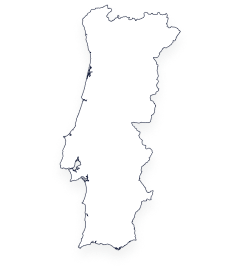
Read below our contry market analysis
Portugal has shown a solid recovery after the COVID-19 pandemic, with Gross Domestic Product (GDP) growth projected at around 2.2% by 2024, driven mainly by exports, the tourism industry and investment in digital and green infrastructure (Banco de Portugal, 2024). This growth has been supported by European recovery funds, which have allowed Portugal to implement reforms in strategic sectors, favouring the modernisation of its economy.
Despite these improvements, youth unemployment remains a considerable problem, with a rate of 19.5% in 2023, which contrasts with a more moderate overall unemployment rate of 6.8% (Eurostat, 2023). This high youth unemployment reflects structural challenges, such as temporariness in the labour market and the lack of alignment between the education system and the demands of a labour market increasingly oriented towards digitalisation and sustainability.
Portugal faces a demographic challenge similar to that of other southern European countries, with an ageing population and a low birth rate that has led to a reduction in the active population. Rural areas have experienced notable depopulation, with many young people migrating to cities in search of job opportunities or even to other EU countries (Banco de Portugal, 2024). This has exacerbated pressure on social services and reduced the capacity of some regions to maintain sustained economic development.
The Portuguese business fabric is dominated by small and medium-sized enterprises (SMEs), which represent 99.9% of companies and generate 71% of employment (European Commission, 2023). These SMEs are particularly relevant in traditional sectors such as commerce, hospitality and agriculture, although they have also started to make inroads into technological sectors thanks to investments in digitalisation promoted by the NextGenerationEU plan.
NGOs play an important role in strengthening social cohesion, especially in rural areas and on the outskirts of larger cities. These organisations collaborate with the government in the implementation of social inclusion and youth employability programmes, promoting vocational training and the creation of support networks for young people seeking to enter the labour market. Through dual training and job orientation programmes, NGOs help young people develop the skills needed to enter emerging sectors such as green technologies and the digital economy.
The business sector in Portugal has been one of the main drivers of economic recovery, with a focus on the modernisation of traditional industries and the promotion of new sectors such as technology and renewable energies. SMEs have played a key role in this modernisation, especially through the adoption of new technologies and the improvement of production processes to increase their competitiveness in the global market (European Commission, 2023).
Tourism remains one of the most relevant sectors of the Portuguese economy, contributing approximately 15% of GDP and employing a significant part of the labour force, especially in regions such as the Algarve and Lisbon (Banco de Portugal, 2023). This sector has shown a solid recovery after the impact of the pandemic, attracting millions of tourists annually thanks to the promotion of sustainable and cultural tourism. However, the seasonality of tourism activity remains a challenge, affecting the stability of youth employment.
The technology and innovation sector has grown significantly, especially in Lisbon and Porto, where several startup hubs and innovation centres have been established. These ecosystems have attracted international companies looking to tap into local talent and the increasing digitalisation of the Portuguese economy. Despite this growth, advanced digital skills are still scarce in some regions, underlining the need to improve the supply of training in these areas.
The renewable energy sector has also gained importance, with strong investment in wind and solar energy, which has allowed Portugal to reduce its energy dependence and become a benchmark in the region (International Energy Agency, 2023). This growth has generated employment opportunities in the installation and maintenance of energy infrastructures, especially in rural areas, contributing to the economic diversification of these areas.
The Portuguese labour market has improved since the financial crisis and pandemic, but still faces problems of temporariness and precariousness, especially among young people. The prevalence of temporary contracts, particularly in sectors such as hospitality and construction, has limited young people’s access to stable and well-paid jobs (Portuguese Ministry of Labour, 2023). In addition, the skills gap, especially in technological areas, hinders the integration of young people into emerging sectors requiring specialised training.
The vocational training and higher education system has started to adapt to the needs of the market, with a focus on digital and green skills. However, collaboration between companies and educational institutions can still be improved to ensure that the training provided is aligned with market demands. Programmes such as the Youth Guarantee have sought to reduce youth unemployment, but implementation has been uneven, with a greater impact in urban regions than in rural areas (European Commission, 2023).
At the regional level, depopulation and lack of job opportunities outside large cities remain a problem, perpetuating youth out-migration and affecting the economic vitality of certain areas. Despite efforts to promote rural entrepreneurship and revitalise the local economy, the lack of infrastructure and services remains an obstacle to attracting young entrepreneurs.
Portugal presents a number of opportunities to improve the integration of young people into the labour market, especially in sectors such as digitalisation, renewable energy and sustainable tourism. Growing investment in technology has fostered the emergence of innovation hubs in cities such as Lisbon and Porto, attracting startups and technology companies looking to tap into local talent. This trend has created significant demand for professionals in areas such as software development, artificial intelligence and cybersecurity (European Commission, 2023). However, to take full advantage of these opportunities, it is crucial to improve training in advanced digital skills and encourage talent retention within the country.
The renewable energy sector, especially wind and solar energy, has been a driver of economic growth in Portugal, thanks to the country’s commitment to reducing its dependence on fossil fuels. Investments in the expansion of wind and solar farms have generated employment opportunities in the installation, maintenance and management of these infrastructures (International Energy Agency, 2023). This is particularly relevant in rural regions, where the creation of jobs linked to the green economy can help combat depopulation and promote more balanced economic development.
Sustainable tourism has positioned itself as a way to diversify the Portuguese economy and attract a tourist profile more interested in culture, nature and sustainability. This approach has opened up opportunities for the development of tourism products involving young entrepreneurs in rural areas, contributing to the revitalisation of these regions (Banco de Portugal, 2023). However, seasonality remains a challenge, as most employment in this sector is concentrated in peak seasons, making it difficult to create stable and long-term jobs for young people.
Despite these opportunities, Portugal faces significant challenges that limit the potential of its youth labour market. The high temporariness of contracts remains a persistent problem, creating instability and affecting young people’s ability to plan for the long term and to access social benefits such as housing. Although recent labour reforms have sought to encourage permanent hiring, the impact of these measures has been limited in traditional sectors such as hospitality and construction (Portuguese Ministry of Labour, 2023).
The depopulation of rural areas and the concentration of job opportunities in major cities have exacerbated regional inequalities. Despite policies to support rural development and entrepreneurship, the lack of adequate infrastructure and public services in these areas remains an obstacle to attracting and retaining young people. Moreover, the brain drain, with skilled young people migrating in search of better opportunities in other EU countries, continues to be a challenge for the Portuguese economy



Read below our contry market analysis
Romania has experienced steady economic growth in recent years, with Gross Domestic Product (GDP) expected to grow by 3.1% in 2024, driven by the recovery of domestic consumption, infrastructure investment and digitalisation (National Bank of Romania, 2024). The Romanian economy benefits from its strategic position in southeastern Europe, attracting foreign investment in sectors such as manufacturing, information technology and renewable energy. However, the country faces challenges related to youth migration and the need to strengthen infrastructure to support long-term sustainable growth.
The Romanian labour market has improved significantly, with an overall unemployment rate of around 5.3% in 2023. However, youth unemployment remains a major challenge, standing at around 19% (Eurostat, 2023). This high level of youth unemployment reflects a number of structural problems, such as the disconnection between educational attainment and labour market demands, and the concentration of employment opportunities in urban areas.
Romania faces a serious demographic problem, characterised by a low birth rate and a significant emigration of young people to other EU countries in search of better job opportunities. This ‘brain drain’ has reduced the country’s labour force and made it difficult to retain young talent, affecting the dynamism of the economy, especially in rural regions (National Bank of Romania, 2024). Policies to encourage the return of talent and improve living conditions in rural areas have become a priority to mitigate these challenges.
The Romanian business fabric is mostly composed of small and medium-sized enterprises (SMEs), which represent 99.7% of the total number of enterprises and generate approximately 65% of employment (European Commission, 2023). SMEs are particularly important in sectors such as agriculture, manufacturing and construction, although the information technology sector has gained significant weight in recent years, with Cluj-Napoca and Bucharest emerging as technology hubs. These cities have attracted investment from large technology companies looking to tap into local talent in software development and IT services.
NGOs in Romania play a key role in training and mentoring young people, especially those from disadvantaged and rural backgrounds. Through vocational training, career guidance and mentoring programmes, these organisations seek to improve the employability of young people and reduce barriers to quality jobs. Initiatives such as Youth Guarantee and EU-funded programmes have sought to provide training and employment opportunities for young people who are neither studying nor working, although their impact has been uneven across different regions of the country (Romanian Ministry of Labour and Social Protection, 2023).
The Romanian business sector is characterised by a strong focus on manufacturing, information technology and agriculture. Manufacturing has been a key driver of growth, especially in the automotive and electronic components sector, with regions such as Transylvania and Western Romania becoming production hubs for European firms (OECD, 2023). However, the need to modernise production plants and improve energy efficiency remains a major challenge for the sector.
The technology sector has experienced significant growth in recent years, with Bucharest and Cluj-Napoca positioning themselves as hubs for innovation and start-ups. Romania has become an attractive destination for IT outsourcing, thanks to the availability of skilled talent and a relatively low cost of living compared to other EU countries (European Commission, 2023). This has led to a high demand for digital skills, such as software development and cybersecurity, which represents an important opportunity for young people. However, the digital skills gap remains a challenge, especially in rural regions, where access to training is more limited.
The renewable energy sector has gained importance in the Romanian economy, with increasing investment in wind and solar energy. Romania has made progress in installing wind farms in the Black Sea region and expanding solar energy in rural areas (International Energy Agency, 2023). This has created new employment opportunities in the installation, maintenance and operation of energy infrastructure, although the lack of specialised training in some areas limits the growth of the sector and the creation of high-skilled jobs.
The Romanian labour market is characterised by a significant segmentation between employment in urban and rural areas. Large cities, such as Bucharest, Cluj-Napoca and Timișoara, concentrate most of the job opportunities, especially in technological and service sectors. However, rural regions, which still rely heavily on agriculture, face higher unemployment rates and lower availability of skilled jobs (Romanian Ministry of Labour and Social Protection, 2023). This has led to an internal migration of young people to large cities, exacerbating the depopulation of some rural areas and affecting the sustainability of local economies.
The Romanian education system has made efforts to adapt to the needs of the labour market, with an increasing focus on technical training and digital skills. However, a disconnect persists between the training offered by educational institutions and the specific demands of businesses, limiting the integration of young people into emerging sectors such as technology and renewable energy (OECD, 2023). Moreover, the quality of vocational training varies significantly across regions of the country, exacerbating inequalities in access to employment opportunities.
Romania presents a number of opportunities to improve the integration of young people into the labour market, especially in growing sectors such as information technology, advanced manufacturing and renewable energy. The technology sector has experienced accelerated growth in cities such as Bucharest and Cluj-Napoca, which have established themselves as hubs for innovation and outsourcing of technology services (European Commission, 2023). This has created a high demand for young professionals with skills in software development, cybersecurity and data analytics. The availability of skilled talent and competitive labour costs have attracted many foreign technology companies to set up operations in these cities. However, the digital skills gap remains a challenge, as many companies find it difficult to fill advanced positions, especially in rural areas.
The manufacturing industry, especially the automotive and electronic components sector, remains a key pillar of the Romanian economy, generating employment in regions such as Transylvania and the west of the country (OECD, 2023). Investments in production plants and the modernisation of supply chains have created employment opportunities for young people with a technical background. However, the lack of continuous training tailored to the needs of industry may limit the ability of young people to adapt to new automation technologies and the demand for specialised skills in Industry 4.0.
The renewable energy sector also offers significant potential for youth job creation, in the context of Romania’s energy transition. Investments in wind energy in the Black Sea region and the expansion of solar energy have generated employment opportunities in the installation, maintenance and operation of energy infrastructure (International Energy Agency, 2023). These investments, supported by European funds, have been particularly important in revitalising some rural areas. However, the lack of specific training in clean energy and the limited educational infrastructure in some rural regions represent barriers to the full exploitation of these employment opportunities.
Despite these opportunities, Romania faces several structural challenges affecting the integration of young people into the labour market. High youth unemployment, one of the highest in the European Union, reflects structural problems such as the high temporariness of contracts and the prevalence of unpaid traineeships, which limit young people’s chances of accessing stable jobs (Eurostat, 2023). This is particularly problematic in sectors such as hospitality and commerce, where staff turnover is high and career development opportunities are limited.
Regional disparities are another significant challenge for the Romanian labour market. While large cities such as Bucharest and Cluj-Napoca concentrate most of the job opportunities and investment in innovation, rural regions, which still rely heavily on agriculture, face significantly higher unemployment rates and a lack of economic dynamism (National Bank of Romania, 2024). This has led to an internal migration of young people to urban areas, exacerbating the depopulation of some rural areas and affecting the sustainability of local communities.



Read below our contry market analysis
Saint Martin, an island in the Caribbean, is divided into two territories: the northern part, which is a collectivity of France, and the southern part, which is an autonomous territory of the Netherlands. This particularity has given rise to two economies which, although interrelated, have distinct characteristics. Saint Martin’s economy is largely based on tourism, which is a key source of income and employment. Following the impact of the COVID-19 pandemic and natural disasters such as Hurricane Irma in 2017, tourism has experienced significant fluctuations (INSEE, 2024). By 2024, Gross Domestic Product (GDP) is expected to grow by 2.5% thanks to the recovery of the tourism sector and investment in infrastructure.
The unemployment rate in Saint Martin is relatively high at around 25%, with youth unemployment reaching approximately 35% (Eurostat, 2023). These figures reflect structural challenges in the labour market, which are exacerbated by the temporary nature of many jobs in the tourism sector and the lack of economic diversification
Saint Martin has a diverse population, composed of a mix of local and expatriate communities. This cultural diversity can be an asset for the development of inclusive and sustainable tourism. However, the island’s economy faces a significant problem related to the emigration of young people in search of better job opportunities abroad. The lack of stable and high quality opportunities on the island has led many to seek employment elsewhere in the Caribbean or in the French metropolis (INSEE, 2024).
Saint Martin’s business fabric is mainly composed of small and medium-sized enterprises (SMEs), which are crucial to the local economy. Tourism is the dominant sector, with many SMEs operating in hotels, restaurants and tourism-related services. However, the island’s economy is not sufficiently diversified, making it vulnerable to external shocks (European Commission, 2023). In addition, infrastructure damaged by natural disasters has limited the ability of many businesses to operate effectively and has affected their long-term sustainability.
NGOs in Saint Martin play an important role in promoting the social and economic development of the community. These organisations work in areas such as job training, entrepreneurship and environmental protection, with the aim of improving the quality of life of residents and fostering social inclusion. Vocational training programmes and support for young entrepreneurs are essential to help young people integrate into the labour market and develop skills that are relevant to the local economy (French Ministry of Employment, 2023).
Saint Martin’s business sector is characterised by its heavy reliance on tourism, which accounts for a significant share of GDP and employment. The island attracts tourists for its beaches, culture and recreational activities, which has led to a growth in investment in tourism infrastructure and related services. However, the high seasonality of tourism can result in a precarious labour supply, with many temporary jobs and low wages, affecting the economic stability of young people (OECD, 2023).
The construction sector has also been important for the Saint Martin economy, especially after the damage caused by Hurricane Irma. The reconstruction of infrastructure and housing has generated employment opportunities, although these tend to be temporary. Investment in infrastructure rehabilitation can provide employment, but there is a need to ensure that strategies are integrated to enable young people to acquire lasting skills in the sector (European Commission, 2023).
The development of the local economy would benefit from further diversification into sectors such as sustainable agriculture, technology and the green economy. Local food production, although limited, has the potential to improve food security and offer new employment opportunities, especially in the context of more sustainable tourism. Initiatives that promote sustainability and respect for the environment are increasingly relevant in attracting an aware and committed public to sustainable development (International Energy Agency, 2023).
The labour market in Saint Martin is characterised by a high unemployment rate, particularly among young people, reflecting the lack of stable and quality employment opportunities. The disconnect between academic training and market needs is a persistent problem, as many young people fail to acquire the skills required by growing sectors (French Ministry of Employment, 2023). This skills gap limits job opportunities and increases uncertainty in the labour market.
The temporary nature of jobs, especially in the tourism sector, is a challenge that affects many young people. Many of them are forced to accept temporary or low-level jobs, which limits their ability to establish themselves economically and plan their future. High competition in the labour market, coupled with a lack of previous experience, makes it difficult for young people to secure permanent jobs.
Disparities in access to education and training also affect the labour market in St. Martin. Although there are efforts by NGOs and the government to provide training programmes, the availability of quality educational opportunities is limited, especially in rural areas. This has led to internal migration to urban areas in search of better educational and employment opportunities.
Saint Martin faces multiple opportunities to improve the integration of young people into the labour market, particularly through sustainable tourism development, economic diversification and the promotion of digital skills. The tourism sector is crucial to the island’s economy, and the post-pandemic recovery has allowed for a resurgence in demand. To capitalise on this trend, Martinique could promote ecotourism and cultural tourism, which not only attract an environmentally conscious public, but also offer stable and quality jobs for young people (European Commission, 2023). Promoting tourism experiences that highlight local culture and sustainability can contribute to more resilient economic growth.
Diversification of the economy into alternative sectors, such as sustainable agriculture, is another significant opportunity. Local food production can help improve food security and offer new job opportunities. Implementing initiatives that support organic farming and the production of local products can not only provide employment, but can also improve the quality of life of the local population and reduce dependence on imports (International Energy Agency, 2023).
Digitalisation also represents a key opportunity for Saint Martin’s youth. The growing demand for digital skills in various sectors, including tourism and technology, requires young people to acquire skills in areas such as digital marketing, e-commerce and software development. Investing in training programmes that offer these skills is essential to prepare young people for the future of work and improve their job prospects (French Ministry of Employment, 2023).
However, Saint Martin faces several challenges that hinder the integration of young people into the labour market. High youth unemployment is a symptom of structural problems, such as the disconnect between academic training and the demands of the labour market. Many young people lack the necessary skills to compete in a constantly changing labour environment. In addition, the high temporariness and precariousness of many jobs in the tourism sector further complicate the situation, limiting stable employment opportunities (Eurostat, 2023).
Infrastructure damaged by natural disasters and lack of investment in education and training are additional barriers to labour market growth. Rural areas, in particular, face a greater shortage of skilled employment and training opportunities, exacerbating the internal migration of young people to cities in search of better opportunities.

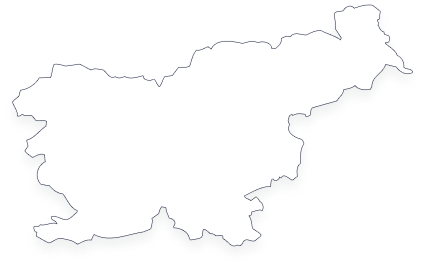
Read below our contry market analysis
Slovenia, a small but prosperous country in the heart of Europe, has proven to be a dynamic and growing economy. Its Gross Domestic Product (GDP) is expected to grow by 3.1% in 2024, driven by a strong services sector, manufactured exports and increasing infrastructure investment (National Bank of Slovenia, 2024). Since its accession to the European Union in 2004, the country has experienced sustained growth and improved its position in the European market. However, Slovenia faces challenges such as an ageing population and the need to diversify its economy.
The labour market in Slovenia has shown signs of recovery, with the overall unemployment rate standing at around 4.5% in 2023. However, youth unemployment is a matter of concern, reaching approximately 9% (Eurostat, 2023). This figure reflects structural problems in the economy, such as the disconnection between educational attainment and labour market needs.
Slovenia has a relatively young population compared to other European countries, which represents a significant potential for economic development. However, the country faces a demographic problem related to an ageing population and the migration of young people in search of better job opportunities in other EU countries. This has created a “brain drain” phenomenon, where talented young people seek employment in larger and more competitive markets (National Bank of Slovenia, 2024).
The Slovenian business fabric is mainly composed of small and medium-sized enterprises (SMEs), which account for more than 99% of all enterprises and generate approximately 70% of employment (European Commission, 2023). SMEs are crucial to the country’s economy, especially in sectors such as manufacturing, services and agriculture. Manufacturing, in particular, is a key sector that has attracted both domestic and foreign investment, contributing to job creation and economic growth.
NGOs in Slovenia play an important role in promoting social inclusion and job training for young people. Through vocational training, skills development and job search support programmes, these organisations work to improve employment opportunities for young people and facilitate their integration into the labour market. Initiatives such as the Youth Employment Program aim to provide training and employment for young people facing difficulties in entering the labour market (Ministry of Labour, Family, Social Affairs and Equal Opportunities of Slovenia, 2023).
Slovenia’s business sector is diverse and characterised by a strong focus on manufacturing, services and technology. Manufacturing has been a key driver of economic growth, with sectors such as automotive, machinery and electronics attracting significant investment (OECD, 2023). Slovenian exports are central to the country’s economy, and the government has implemented policies to foster competitiveness and innovation in industry.
The services sector is also crucial to Slovenia’s economy, especially in areas such as tourism, education and health. Slovenia has worked to position itself as an attractive tourist destination, and although the COVID-19 pandemic temporarily affected the sector, recovery has been rapid, driven by demand for sustainable tourism and local experiences (European Commission, 2023).
The technology sector is growing and has seen an increase in the creation of start-ups and investment in research and development. Initiatives to promote innovation and digitalisation in the economy have been key to improving Slovenia’s competitiveness in the European market. However, the digital skills gap remains a challenge, as many firms find it difficult to find qualified candidates (OECD, 2023).
The Slovenian labour market is characterised by a low unemployment rate compared to the European average, but youth unemployment remains a major problem. The disconnection between formal education and labour market needs is a persistent challenge, as many young people fail to acquire the skills required by growing sectors. This underlines the need to adapt education and training programmes to the demands of the labour market (Slovenian Ministry of Labour, Family, Social Affairs and Equal Opportunities, 2023).
The digitisation of the economy has generated a growing demand for digital skills, leading to an increase in the supply of training programmes in areas such as programming, cybersecurity and digital marketing. However, the skills gap remains an issue, as many companies struggle to find candidates with advanced skills, limiting young people’s ability to access jobs in emerging sectors (European Commission, 2023).
Regional disparities also affect the labour market in Slovenia. While Ljubljana and other large cities offer more employment opportunities, rural areas face lower availability of skilled jobs and higher unemployment rates. This has led to internal migration to urban areas, exacerbating depopulation in certain regions and affecting the sustainability of local communities (National Bank of Slovenia, 2024).
Slovenia presents several opportunities to improve the integration of young people into the labour market, particularly through the development of digital skills, the promotion of innovation and the promotion of sustainable tourism. The growth of the technology sector in Slovenia, driven by the creation of start-ups and investment in research and development, represents a significant opportunity for young people. The high demand for skills in programming, cybersecurity and data analytics can facilitate the creation of quality jobs for young people, provided that adequate and accessible training programmes are implemented (European Commission, 2023).
The manufacturing sector remains a key pillar of the Slovenian economy, and the modernisation of factories and the adoption of advanced technologies can open up new job opportunities for technically educated youth. Investing in training and education in technical and digital skills is essential to prepare young people for the demands of an evolving labour market (OECD, 2023).
Tourism, although affected by the pandemic, has shown signs of recovery and represents another area of opportunity. Slovenia has begun to diversify its tourism offer, promoting more sustainable tourism that respects the environment and local culture. This trend can generate stable jobs in rural areas and contribute to the revitalisation of local communities. The promotion of tourism that highlights biodiversity, local gastronomy and cultural heritage can be key to attracting a public that is aware of and committed to sustainable development (International Energy Agency, 2023).
Despite these opportunities, Slovenia faces significant challenges in integrating young people into the labour market. The disconnection between the education system and the needs of the market is a persistent problem. Many young people fail to acquire the skills needed to compete in a constantly changing work environment, which limits their employment opportunities (Ministry of Labour, Family, Social Affairs and Equal Opportunities of Slovenia, 2023). In addition, the high informality of employment and the temporary nature of many contracts disproportionately affect young people, who are forced to accept low-quality jobs without stability.
Regional disparities are also a challenge. While Ljubljana and other large cities offer more employment opportunities, rural areas face lower availability of skilled jobs and higher unemployment rates. This situation has led to internal migration to urban areas, exacerbating depopulation in certain regions and affecting the sustainability of local communities (National Bank of Slovenia, 2024).







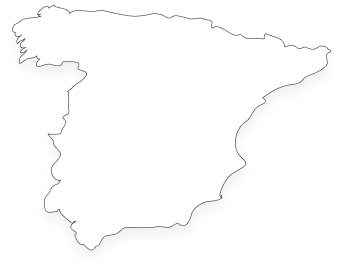
Read below our contry market analysis
Spain, the fourth largest economy in the Eurozone, has shown signs of recovery after the crisis generated by the COVID-19 pandemic. In 2024, Gross Domestic Product (GDP) growth of around 2.1% is expected, driven mainly by the implementation of the NextGenerationEU recovery plan, which emphasises digital transformation and sustainability (European Commission, 2023). This plan has been instrumental in boosting strategic sectors such as renewable energy and digitalisation, attracting investment and generating new employment opportunities.
However, the economic recovery faces several challenges, including a high unemployment rate, which at the end of 2023 stood at 12.4%, one of the highest in the Eurozone (World Bank, 2023). This indicator is even more worrying when looking at the youth unemployment rate, which exceeds 28%, a figure well above the European average of 6.4% (OECD, 2023). These figures reflect a labour structure that continues to face structural problems, such as the high temporality of contracts and the lack of alignment between the skills of young people and the demands of the market.
The Spanish economy is characterised by a strong dependence on sectors such as tourism, which contributes approximately 12% of GDP and employs more than 2.7 million people. Although this sector has shown signs of recovery, especially in the area of eco- and luxury tourism, it remains vulnerable to global fluctuations and changes in travellers’ preferences (OECD, 2023). In addition, agriculture continues to play an important role in rural areas, notably in the production of olive oil, wine and fresh produce, with a growing focus on organic farming.
Spain has an ageing population, which has led to an increase in demand for care services, especially in rural areas where depopulation is a constant concern. This trend has opened up opportunities in the care sector, both for private companies and for non-governmental organisations (NGOs) operating in the social field. However, the low birth rate and the emigration of young people to other regions of Europe in search of better job opportunities aggravate the problem of population loss in certain territories, affecting social cohesion and the sustainability of local services.
Spain’s business fabric is dominated by small and medium-sized enterprises (SMEs), which account for 99.8% of the country’s businesses and generate approximately 75% of employment (European Commission, 2023). SMEs play a crucial role in sectors such as commerce, construction and hospitality, and are central to the economic dynamism of rural and urban areas. However, these enterprises often face difficulties in competing with large corporations, especially in terms of access to finance and ability to attract and retain young talent.
NGOs in Spain play an important role in the provision of social services and the integration of vulnerable groups. Many of these organisations focus on training and accompanying young people to facilitate their integration into the labour market, especially in sectors with high labour demand, such as the green economy and information and communication technologies (ICT). In addition, NGOs actively collaborate with the public and private sector to develop training and internship programmes, which allows them to build bridges between young people and the labour market.
The business sector in Spain is mainly composed of small and medium-sized enterprises (SMEs), which constitute 99.8% of the country’s business fabric and are responsible for approximately 75% of employment (European Commission, 2023). SMEs are particularly relevant in traditional sectors such as commerce, construction, and tourism, as well as in food and beverage production, with a significant presence in rural areas. They play a key role in the local economy, contributing to the generation of employment and the maintenance of economic activity in regions otherwise at risk of depopulation.
Despite their importance, SMEs face important challenges that limit their competitiveness and ability to grow. One of the most significant problems is access to finance, which has improved in recent years but remains an obstacle to the expansion of many small firms (OECD, 2023). In addition, small firms often find it difficult to adapt to new technologies and changes in the global marketplace, which puts them at a disadvantage compared to large multinationals, especially in fast-growing sectors such as technology and digital innovation.
The technology and digitalisation sector has grown significantly in Spain, driven by the NextGenerationEU recovery plan, which has promoted investments in digital infrastructure and skills training (European Commission, 2023). IT, cybersecurity and e-commerce companies have boomed, generating employment opportunities in these fields. However, the supply of skilled talent does not always match market demand, which has led to a shortage of workers with advanced digital skills.
Another relevant sector is energy, where Spain has shown a strong commitment to the transition to renewable energy, especially in solar and wind power generation. The country has become a European leader in this area, with the share of renewables accounting for 46% of electricity generation in 2023 (World Bank, 2023). This growth has boosted job creation in areas such as solar plant installation and wind farm operation, opening up new opportunities for young people, especially in rural areas seeking to diversify their economy.
The Spanish labour market has specific characteristics that differentiate it from the rest of the Eurozone, with high unemployment being one of the main concerns. Despite recent efforts to reduce the temporary nature of contracts, this is still a predominant feature of the Spanish labour market, especially affecting young people. In 2023, more than 20% of employment contracts were of a temporary nature, which generates instability and makes long-term planning difficult for those in the early stages of their careers (Ministry of Labour and Social Economy, 2023).
Youth unemployment, at over 28%, reflects a disconnect between the education system and the needs of the labour market. Although the government has implemented vocational training and employment programmes for young people, such as the Youth Employment Programme and the Youth Guarantee, these efforts have not always succeeded in closing the skills gap, especially in emerging sectors such as technology and the green economy (Exit Foundation, 2023). This is compounded by the difficulty for many companies, especially SMEs, to bear the costs associated with hiring young and inexperienced staff.
In rural areas, youth unemployment is of particular concern due to the lack of job opportunities outside traditional sectors such as agriculture and tourism. Although agriculture remains an important economic pillar in many regions, employment opportunities for young people in this sector are limited, and working conditions are not always attractive. However, the growing demand for organic and sustainable products is opening up new market niches that could become a source of employment for young people, provided that training and entrepreneurship initiatives in these areas are encouraged.
On the other hand, tourism, which constitutes a significant share of Spanish GDP, has shown signs of recovery after the pandemic, but remains vulnerable to international fluctuations and global economic uncertainty. Although it offers short-term employment opportunities, especially during the high season, these opportunities are predominantly temporary and low-paid, which does not facilitate the creation of solid career paths for young people (OECD, 2023).
The labour market in Spain presents both significant opportunities and challenges that need to be addressed to facilitate the integration of young people into quality employment. One of the main opportunities lies in boosting digitalisation and the transition to a green economy, both sectors with high potential for the creation of new jobs. The country’s strategy to foster digitalisation, supported by the NextGenerationEU plan, has led to an increase in demand for professionals in areas such as artificial intelligence, cybersecurity and data analytics. This has opened up a range of opportunities for young people seeking training in these emerging skills (European Commission, 2023). However, to capitalise on these opportunities, it is crucial that the education system and vocational training programmes are aligned with the needs of the market, which has been a major challenge so far.
The renewable energy sector also has a high growth potential, especially in rural areas, where the installation of solar and wind power plants can generate direct and indirect jobs. The transition to cleaner energy sources not only responds to the EU’s climate objectives, but also creates the possibility of revitalising areas with high rates of depopulation, attracting young people to projects that combine innovation and sustainable development (World Bank, 2023). Furthermore, the growing demand for organic products and the promotion of sustainable agriculture offer a niche market that can be exploited by young entrepreneurs, especially in regions with a strong agricultural tradition.
However, there are structural challenges that limit the full exploitation of these opportunities. The high rate of temporary employment and the rigidity of the labour market hinder the stability of youth jobs, resulting in fragmented employment trajectories and a reduced ability to access finance or basic services such as housing. Despite the reforms implemented by the government to encourage permanent contracts, the structure of the market still favours temporary contracts, especially in sectors such as hospitality and construction (Ministry of Labour and Social Economy, 2023). This type of contract offers less social protection and stability, which particularly affects young people at an early stage of their professional career.
Another relevant challenge is the skills gap between the training young people receive and the demands of the market. Companies, especially in the technology sector, frequently point out the difficulty in finding candidates with the necessary skills to fill positions related to digitalisation and the green economy. This highlights the need to strengthen collaboration between the education system, companies and civil society organisations to develop training programmes that respond to the current needs of the labour market (Fundación Exit, 2023).
In addition, the depopulation of rural areas and the concentration of opportunities in large cities represent an obstacle to youth labour integration in certain regions. Although rural development initiatives have sought to promote the return of young people to the countryside, the lack of infrastructure and limited economic diversification limit the attractiveness of these areas as places for youth to live and work. Without a coordinated approach that addresses these regional disparities, it will be difficult to reduce the gap between urban and rural employment opportunities.
To address these challenges and enhance employment opportunities for young people in Spain, a series of strategic recommendations are proposed that can be implemented both at the public policy level and by the private sector and civil society:

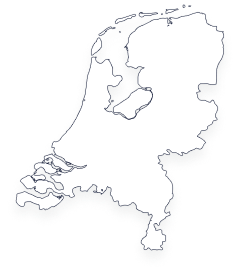
Read below our contry market analysis
The Netherlands is one of the most dynamic economies in the European Union, noted for its high level of digitalisation, innovation and a strong logistics infrastructure connecting Europe to the world. Its Gross Domestic Product (GDP) is expected to grow by around 1.7% in 2024, driven by sectors such as technology, logistics and renewable energy (Central Bank of the Netherlands, 2024). Despite economic stability, the country also faces challenges stemming from the energy crisis and changes in global supply chains.
The overall unemployment rate in the Netherlands is low, standing at 3.6% in 2023, while youth unemployment reaches 7.8% (Eurostat, 2023). This relatively low level of youth unemployment is due to the high participation of young people in the dual training system, which facilitates their transition from education to the labour market. However, competition for high-skilled jobs is intense, especially in emerging sectors such as information technology and sustainability.
With a stable working population and a low birth rate, the Netherlands faces a demographic challenge related to the ageing of its population. This phenomenon has led the country to implement policies aimed at attracting qualified foreign talent and encouraging the integration of young people into the labour market. The demand for labour in sectors such as healthcare and logistics has increased, creating new opportunities for young people in areas such as supply chain management and care services (Netherlands Central Bank, 2024).
The Dutch business fabric is characterised by a combination of large multinationals and a vibrant ecosystem of small and medium-sized enterprises (SMEs). Multinationals such as Philips, Shell and ASML lead innovation in sectors such as technology, energy and advanced manufacturing. At the same time, SMEs play an essential role in the local economy, representing 99.7% of all enterprises and generating 60% of employment (European Commission, 2023). Metropolitan areas, such as Amsterdam and Eindhoven, have become centres of innovation, especially in technology and renewable energy.
NGOs in the Netherlands play an important role in promoting the labour and social inclusion of young people, particularly those in vulnerable situations. Through training and mentoring programmes, these organisations help young people with a migrant background and those who have dropped out of the education system to integrate into the labour market. Programmes such as Jongeren op de Arbeidsmarkt have facilitated the insertion of young people in sectors where labour demand is high, such as logistics and green technology (Netherlands Ministry of Social Affairs and Employment, 2023).
The Dutch business sector is one of the most competitive in Europe, with a strong capacity to innovate and adapt to new global market demands. The presence of leading technology companies, such as ASML, has made the country a leader in semiconductor production and research in advanced technologies such as artificial intelligence and photonics (OECD, 2023). This sector offers ample employment opportunities for young people with backgrounds in engineering, information technology and data analytics.
The renewable energy sector has also gained importance in the Dutch economy, driven by the country’s climate commitments and EU policies. The Netherlands has made significant progress in the installation of offshore wind farms and the expansion of solar energy, creating jobs in the construction, operation and maintenance of these infrastructures (International Energy Agency, 2023). These investments have created opportunities for young people interested in the energy transition, although the lack of skilled personnel in some areas remains a challenge.
Logistics and international trade are key pillars of the Dutch economy, thanks to the strategic position of the port of Rotterdam and Schiphol airport. The digitalisation of the supply chain and the automation of logistics processes have transformed the sector, increasing the demand for young people with skills in logistics, international trade and IT (European Commission, 2023). However, automation has also reduced the demand for certain types of manual labour, affecting young people with lower skill levels.
The Dutch labour market is known for its flexibility and the high participation of young people in the dual training system. This system allows students to combine academic training with practical experience in companies, making it easier for them to adapt to the needs of the labour market (Netherlands Ministry of Social Affairs and Employment, 2023). Dual training has been particularly effective in sectors such as advanced manufacturing, technology and logistics, contributing to maintaining low levels of youth unemployment.
Despite the advantages of the dual training system, some young people face challenges in accessing stable jobs, especially in sectors where competition for high-skilled positions is intense. The digital skills gap has been a growing challenge, as many firms struggle to find candidates with advanced skills in areas such as cybersecurity and artificial intelligence (OECD, 2023). This highlights the need to adapt educational training to emerging market demands.
In terms of regional disparities, most employment opportunities are concentrated in metropolitan areas such as Amsterdam, Rotterdam and Eindhoven. This has led to internal migration of young people to these cities in search of better job opportunities, which has contributed to the depopulation of some rural areas. Despite efforts to foster regional development, differences in the availability of services and infrastructure continue to limit opportunities in less urbanised regions (Netherlands Central Bank, 2024).
The Netherlands offers a very favourable environment for the integration of young people into the labour market, especially in high-tech, renewable energy and logistics sectors. Strong investment in innovation and the presence of an advanced technological ecosystem have allowed areas such as Amsterdam and Eindhoven to become centres of attraction for start-ups and technology companies. This has led to a high demand for young professionals with skills in artificial intelligence, software development and data analytics (European Commission, 2023). However, the rapid evolution of these technologies has also created a skills gap, as companies often find it difficult to fill positions that require specific and advanced digital technology skills.
The renewable energy sector is another important driver of the Dutch economy. The Netherlands has made significant progress in the expansion of offshore wind energy, especially in the North Sea, and in the installation of solar infrastructure. These developments have created employment opportunities in the installation, maintenance and operation of wind and solar farms, especially for young people interested in sustainability and energy transition (International Energy Agency, 2023). However, the shortage of technically trained workers in these areas may limit the pace of growth in this sector, underlining the need to strengthen specialised training.
Logistics and international trade are pillars of the Dutch economy, thanks to the country’s strategic position in Europe and the port of Rotterdam, one of the largest on the continent. This sector has been transformed by the digitisation of supply chains, which has generated demand for skills in supply chain management and logistics information technology (OECD, 2023). The digitisation of this sector offers significant opportunities for young people, especially those with a background in information technology and automation processes. However, automation has also reduced the demand for manual jobs, affecting young people with lower skill levels.
Despite these opportunities, the Netherlands faces several challenges that may limit the integration of young people into the labour market. Competition for high-skilled jobs is intense, especially in technology sectors, which may make it difficult for those without advanced training to access stable jobs. In addition, the high demand for digital skills has highlighted the need for greater flexibility in the education system to adapt to market demands and to strengthen lifelong learning programmes (OECD, 2023).
The integration of young people with a migrant background is another relevant challenge. Although the Netherlands has social inclusion policies in place, differences in employment rates persist between young people with a migrant background and the local population. Language barriers and the difficulty of validating qualifications obtained abroad are obstacles that limit the employment opportunities of these young people, especially in sectors that require a high level of specialisation (Netherlands Ministry of Social Affairs and Employment, 2023).





Read below our contry market analysis
Turkey is one of the largest and most dynamic economies in the region, with a Gross Domestic Product (GDP) projected to grow by 3.5% in 2024, driven by the recovery of domestic consumption, infrastructure investment and the export of manufactured goods (Central Bank of Turkey, 2024). The country benefits from its strategic position between Europe and Asia, which facilitates international trade and foreign investment. However, Turkey faces significant challenges, such as high inflation, economic instability and political tensions, which have affected its business environment.
The Turkish labour market has shown signs of recovery, with the overall unemployment rate standing at around 10.5% in 2023. However, youth unemployment is an alarming problem, reaching approximately 20% (Eurostat, 2023). This situation reflects the disconnection between the education system and the demands of the labour market, as well as the high rate of informality in employment, which mainly affects young people.
Turkey has a young and growing population, which represents a significant potential for the country’s economic development. However, high youth unemployment and the emigration of young people in search of better opportunities have created a worrying phenomenon that limits the country’s ability to harness its human capital. Many young people seek opportunities abroad, contributing to brain drain and loss of talent (Central Bank of Turkey, 2024).
The Turkish business fabric is mostly composed of small and medium-sized enterprises (SMEs), which account for about 99% of all enterprises and are responsible for about 70% of employment (European Commission, 2023). SMEs are essential to the economy, especially in sectors such as manufacturing, trade and services. However, these enterprises often face challenges related to access to finance, bureaucracy and market competition.
NGOs in Turkey play an important role in promoting social inclusion and youth empowerment. Through vocational training programmes, skills development and support for job creation, these organisations work to improve employment opportunities for young people. Initiatives such as the Youth Employment Program seek to provide training and employment for unemployed youth, although their impact may be limited by a lack of resources and the policy environment (Turkish Ministry of Labour and Social Security, 2023).
The Turkish business sector is diverse and characterised by a strong focus on manufacturing, agriculture and services. Manufacturing has been a key driver of economic growth, with sectors such as automotive, textiles and electronics attracting both domestic and foreign investment (OECD, 2023). Turkish exports, which include manufactured and agricultural products, have contributed to GDP growth, but the economy also faces challenges related to exchange rate volatility and inflation.
The agricultural sector remains important in Turkey, although its contribution to GDP has declined in recent years. Agricultural production is based on the country’s diversity of climates and soils, which allows a variety of crops to be grown. However, agriculture faces problems such as lack of modernisation and limited access to advanced technologies, which may limit the sector’s competitiveness (European Commission, 2023).
The services sector, which includes tourism, education and health, has grown significantly in Turkey. Tourism, in particular, is a key sector that attracts millions of visitors each year, contributing significantly to GDP and employment. However, the COVID-19 pandemic severely affected the sector, and recovery has been slow, posing additional challenges for young people seeking employment in this field (International Energy Agency, 2023).
The Turkish labour market is characterised by high unemployment, especially among young people, reflecting structural problems in the economy. The disconnect between educational attainment and market needs is a persistent challenge, as many young people fail to acquire the skills required to compete in a constantly evolving labour environment (Turkish Ministry of Labour and Social Security, 2023). Employment informality is also high, making it difficult to create quality jobs and protect labour rights.
Digitalisation and automation are transforming the labour market in Turkey, generating a growing demand for skills in areas such as programming, digital marketing and cybersecurity. However, the skills gap remains an issue, as many firms struggle to find qualified candidates, limiting young people’s ability to access jobs in emerging sectors (OECD, 2023).
Regional disparities also affect the labour market in Turkey. While cities such as Istanbul and Ankara offer more employment opportunities in high-skilled sectors, many rural regions face higher unemployment rates and lower availability of skilled jobs. Internal migration to large cities has contributed to the depopulation of some rural areas, affecting their economic development and the quality of life of their residents (Central Bank of Turkey, 2024).
Turkey offers a number of opportunities to improve the integration of young people into the labour market, particularly in sectors such as technology, manufacturing and sustainable tourism. The growth of the technology sector, driven by a growing demand for digital solutions and an increasingly digitised economy, represents a significant opportunity for young people. The creation of a startup ecosystem and investment in technological innovation in cities such as Istanbul and Ankara has generated high demand for skills in areas such as software development, cybersecurity and data analytics (European Commission, 2023). This provides a favourable environment for young people to acquire relevant skills and access high-quality jobs.
The manufacturing sector remains a key pillar of the Turkish economy and offers opportunities for young people, especially in areas such as automotive, textiles and electronics. The modernisation of industry and the adoption of advanced technologies, such as automation and digitalisation, may generate additional demand for young, technically trained talent (OECD, 2023). Technical skills training and dual training in partnership with companies are essential strategies to prepare young people for the future of work in this sector.
Tourism is another sector with a high potential for youth employment creation. With the recovery of tourism after the pandemic, Turkey has the opportunity to diversify its offer, promoting sustainable tourism that respects the environment and local culture. Initiatives that promote ecotourism and cultural tourism can generate stable, quality jobs in regions that have traditionally relied on seasonal tourism, thus improving the employment situation of young people (International Energy Agency, 2023).
Despite these opportunities, Turkey faces several significant challenges. The high youth unemployment rate is an indicator of structural problems in the economy, such as the disconnect between education and the labour market. Many young people fail to acquire the skills needed to compete in a constantly changing labour environment, which limits their employment opportunities (Turkish Ministry of Labour and Social Security, 2023). In addition, the high temporariness of many jobs in the tourism sector and the informality of employment disproportionately affect young people, who often have to accept low-level and temporary jobs.
Regional disparities are another major challenge. Employment opportunities are concentrated in large cities, such as Istanbul and Ankara, while rural regions face higher unemployment rates and lower availability of skilled jobs. This has led to internal migration of young people to cities, exacerbating depopulation in rural areas and affecting their economic development (Central Bank of Turkey, 2024).
Improve co-ordination between the education system and the labour market: To reduce the disconnect between academic training and market demands, it is essential to promote greater collaboration between government, business and educational institutions. Creating platforms for dialogue to facilitate the design of training programmes tailored to the needs of strategic sectors such as technology, manufacturing and tourism is key to ensuring that young people are prepared for the labour market.